


Moderate
Mysterious Bir Rajgundha
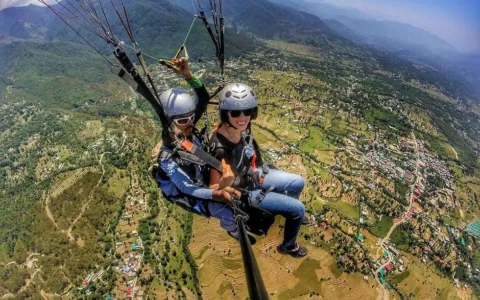
From the world's best paragliding site (Bir Billing) to the mystical hidden valley of Rajgundha — a 2-day…
Next Departure
September 20, 2026
Winter Spiti Road Trip: The Ultimate Guide to India’s Frozen Wilderness
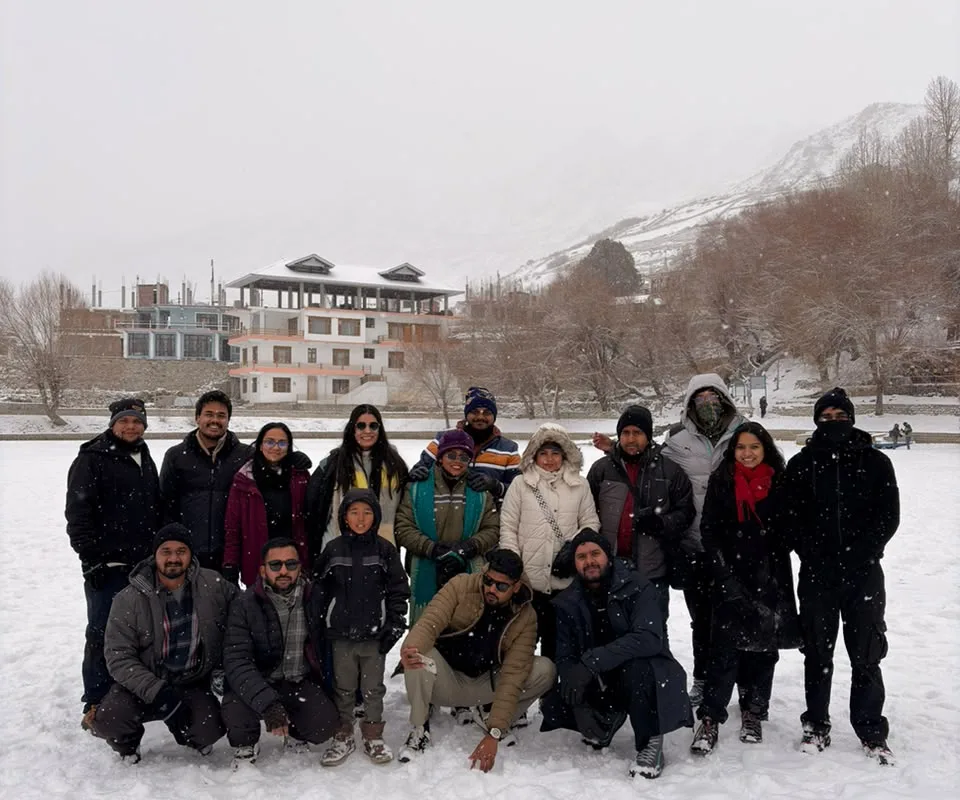
If you’ve ever dreamed of driving through a landscape that feels like the edge of the world — white, silent, and impossibly beautiful — a winter Spiti road trip is exactly that. From November to March, Spiti Valley transforms into a snow-covered cold desert where every village, road, and mountain peak disappears under a thick blanket of white.
This is not a trip for the faint-hearted. It is a trip for those who want to experience the Himalayas at their most raw, most honest, and most spectacular.
Most travellers visit Spiti in summer. That’s exactly why you shouldn’t.
| Month | Conditions | Best For |
|---|---|---|
| November | Early snowfall, roads still open | First snow experience |
| December | Heavy snowfall sets in | Snow landscapes, solitude |
| January–February | Peak winter, frozen everything | Snow leopard tracking, white Spiti |
| March | Gradual thaw begins | Slightly easier travel, still snowy |
Daytime temperatures: -5°C to -10°C Nighttime temperatures: -20°C to -30°C
This is the most important thing to know before planning.
The Manali–Spiti route is completely closed in winter. Rohtang Pass and Kunzum Pass are buried under several feet of snow from November to April. The only open road is:
Delhi → Shimla → Narkanda → Rampur → Tapri → Khab → Nako → Tabo → Kaza
| Day | Stretch | Highlights |
|---|---|---|
| Day 1 | Delhi to Shimla | Overnight drive or stay |
| Day 2 | Shimla to Nako | Khab Sangam, Kinnaur scenery |
| Day 3 | Nako | Nako Lake, acclimatisation |
| Day 4 | Nako to Tabo | Gue Mummy (detour), Tabo Monastery |
| Day 5 | Tabo to Kaza | Dhankar Monastery, Spiti River views |
| Day 6 | Kaza local | Ki Monastery, Kibber, Komic, Hikkim |
| Day 7 | Pin Valley | Snow leopard tracking, Mudh Village |
| Day 8 | Kaza to Nako | Return journey begins |
| Day 9 | Nako to Delhi | Long drive back |
Clothing
Essentials
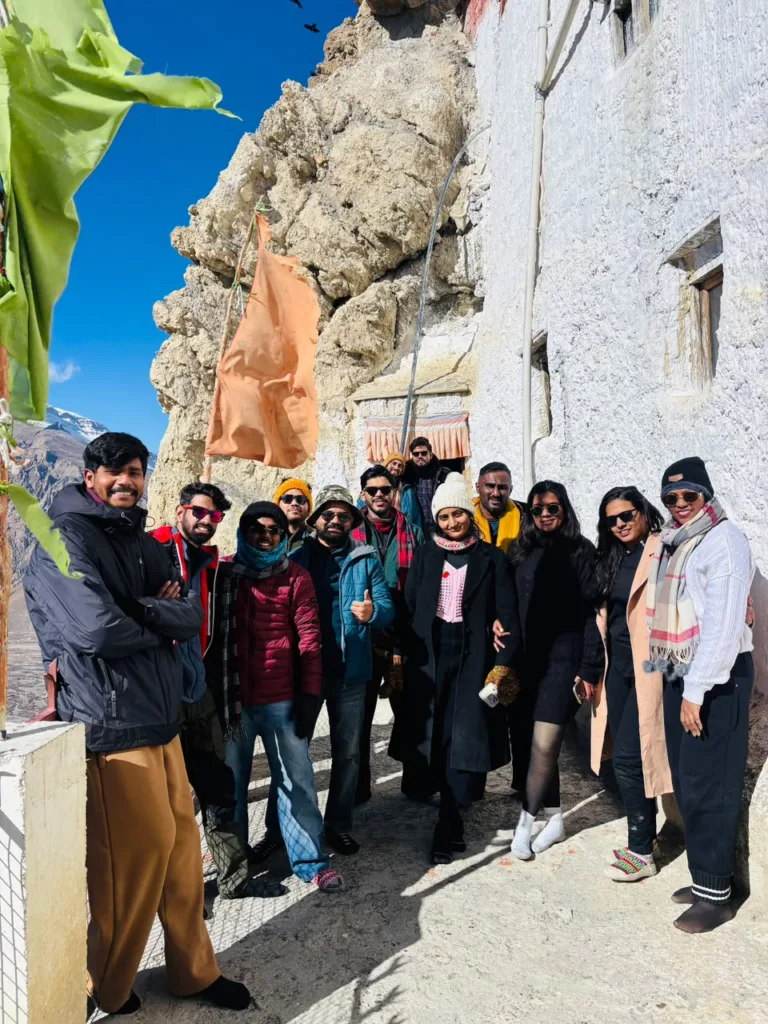
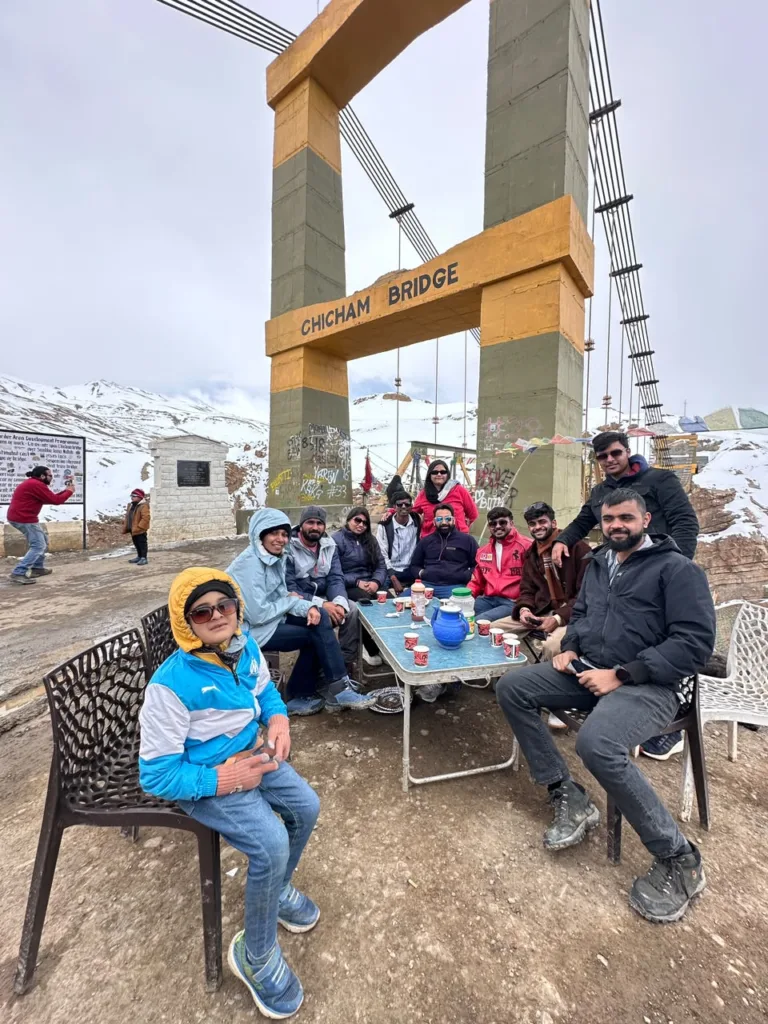
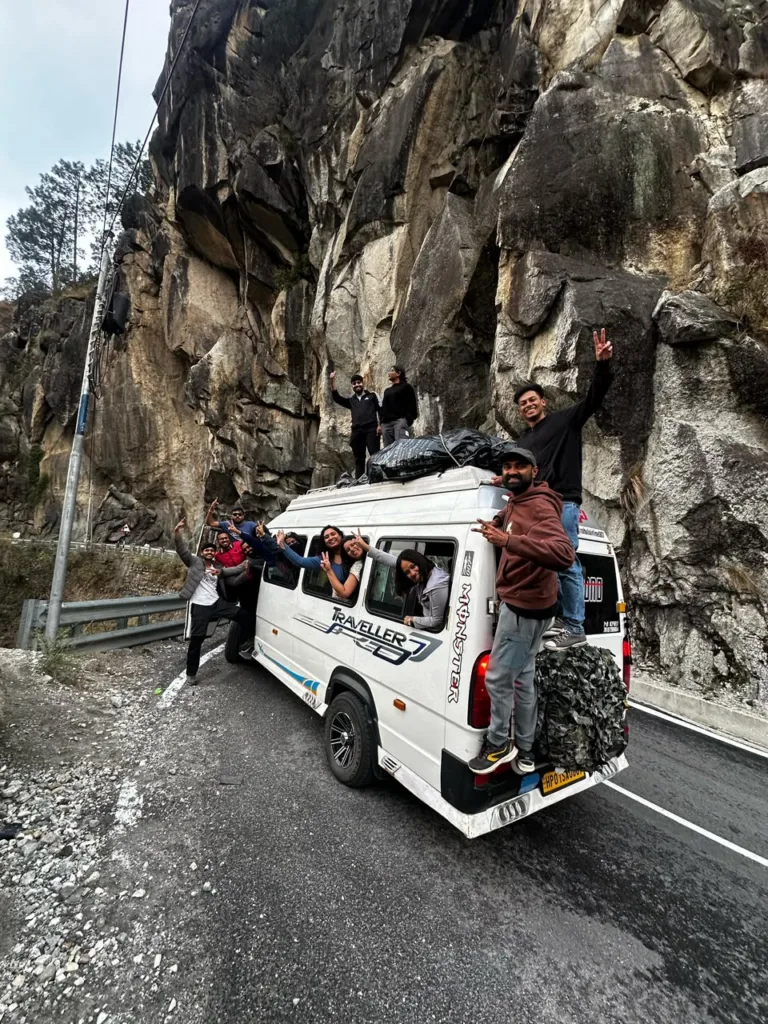
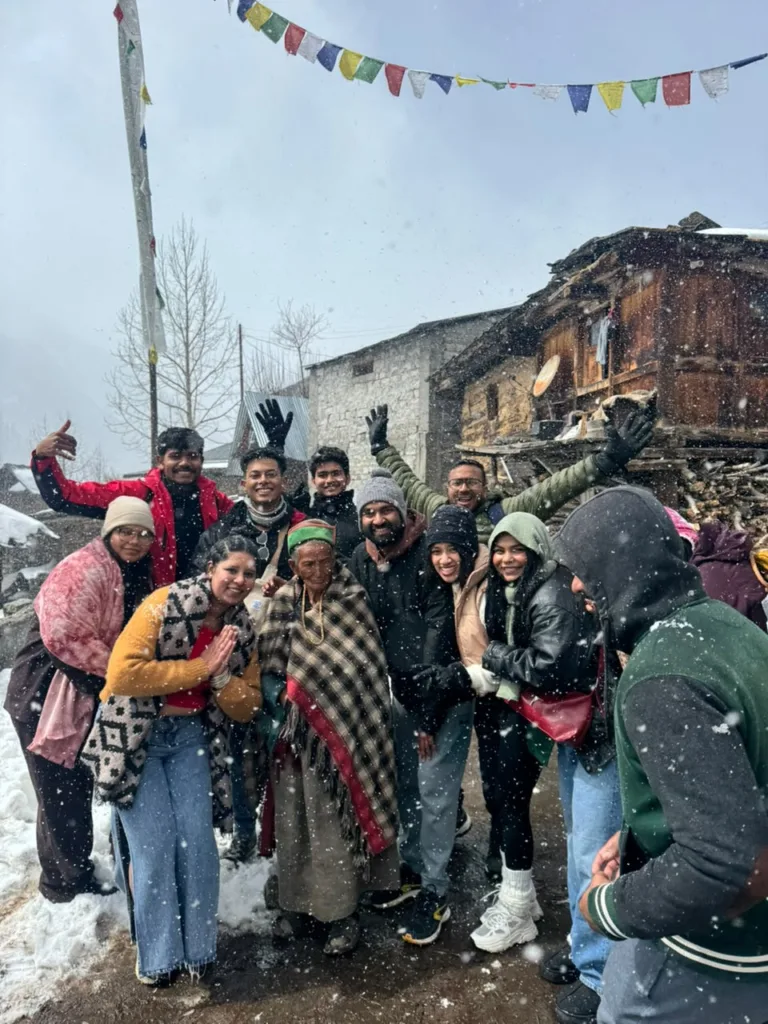
Yes, Spiti Valley can be visited during winter. The winter expedition generally operates via the Shimla–Kinnaur route, as the Manali–Kaza route over Kunzum Pass remains closed during the heavy-snow season. Road conditions can change depending on snowfall and weather.
Winter in Spiti is extremely cold, with temperatures often falling below freezing. During the peak winter months, temperatures can drop significantly at night, so travellers should be prepared for severe cold and sub-zero conditions.
Winter Spiti trips generally use the Shimla–Kinnaur route via places such as Sangla, Kalpa, Nako and Tabo before reaching Kaza. The Manali–Kaza route via Rohtang and Kunzum Pass is generally closed during winter because of heavy snowfall.
Snow conditions depend on the weather and the time of travel. During peak winter, you can expect snow-covered landscapes, frozen water bodies and icy roads in many parts of Spiti. However, the exact amount of snowfall cannot be guaranteed.
Carry heavy woollen clothing, thermal innerwear, a warm jacket, gloves, woollen socks, a cap, waterproof shoes, sunglasses and other essential winter gear. Good-quality clothing is important because temperatures can fall well below freezing.
No, Chandratal Lake is generally not accessible during winter because the road through Kunzum Pass gets covered with heavy snow and remains closed. Chandratal is best visited during the summer season when the route is open.
Connectivity and basic facilities can be limited during winter. Mobile network availability varies by location, while electricity and running water can also be affected by extreme cold. Travellers should be prepared for limited facilities and carry essential personal items with them.
Yes, during peak winter, several water bodies, streams and waterfalls can freeze because of the extremely low temperatures, creating unique winter landscapes.
Winter Spiti offers a completely different experience, with snow-covered villages, frozen waterfalls, icy landscapes and a peaceful atmosphere. It is ideal for travellers looking for a unique winter mountain adventure.
In case of heavy snowfall, landslides or road blockages, the itinerary or route may be changed depending on the situation. Traveller safety remains the priority, and the expedition team will make decisions according to the ground conditions.
From the world's best paragliding site (Bir Billing) to the mystical hidden valley of Rajgundha — a 2-day…
Shangarh – Wanderers’ Nest A Shangarh Trip is a perfect escape into the peaceful Himalayas, offering a beautiful…
Three Parvati Valley villages in 3 days — backpacker hub Kasol, the perched hamlet Tosh, and the off-grid…