
Difficult
Kumara Parvatha Trek
Karnataka's most challenging trek — the Pushpagiri summit at 1,712m. 24km round trip with steep climbs, shola grasslands,…
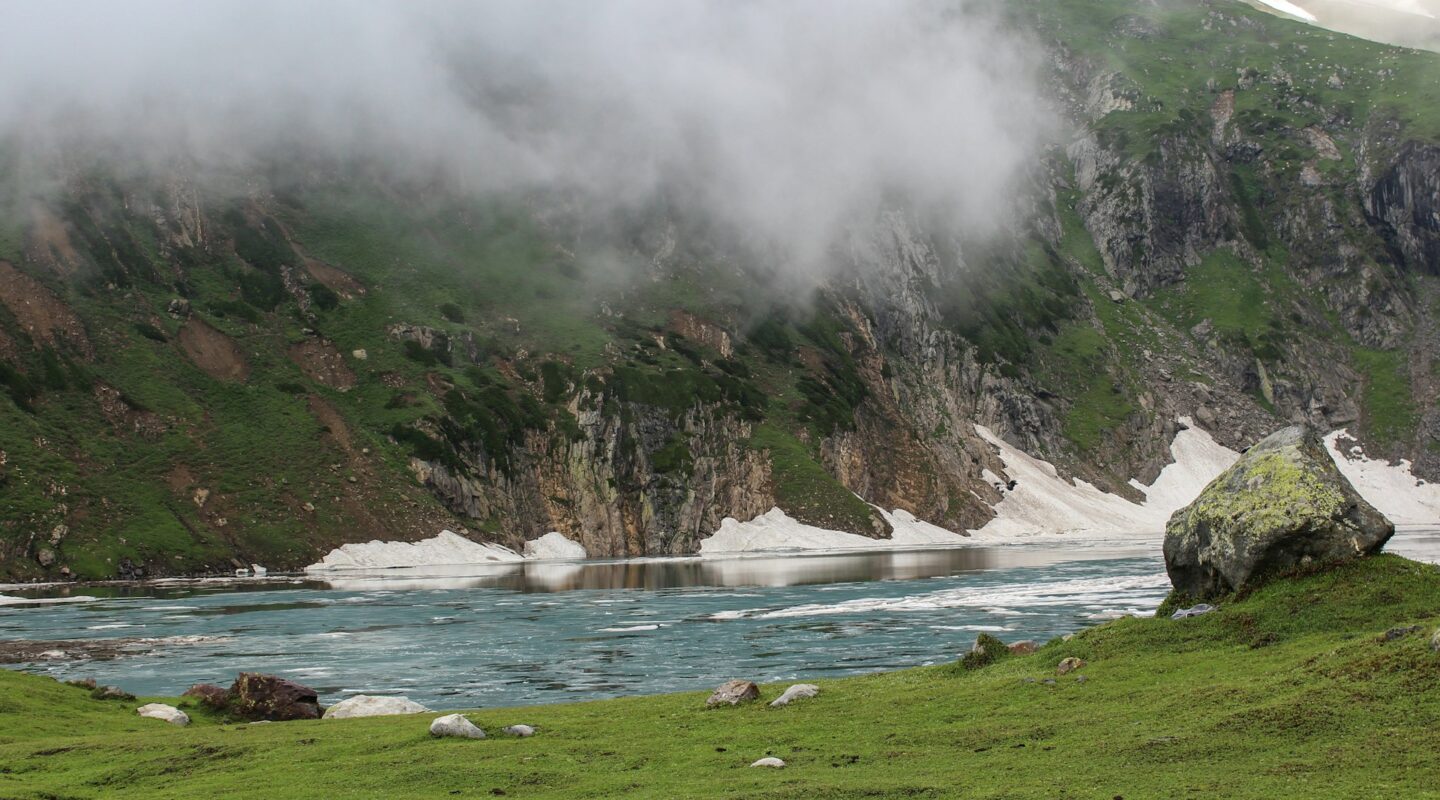
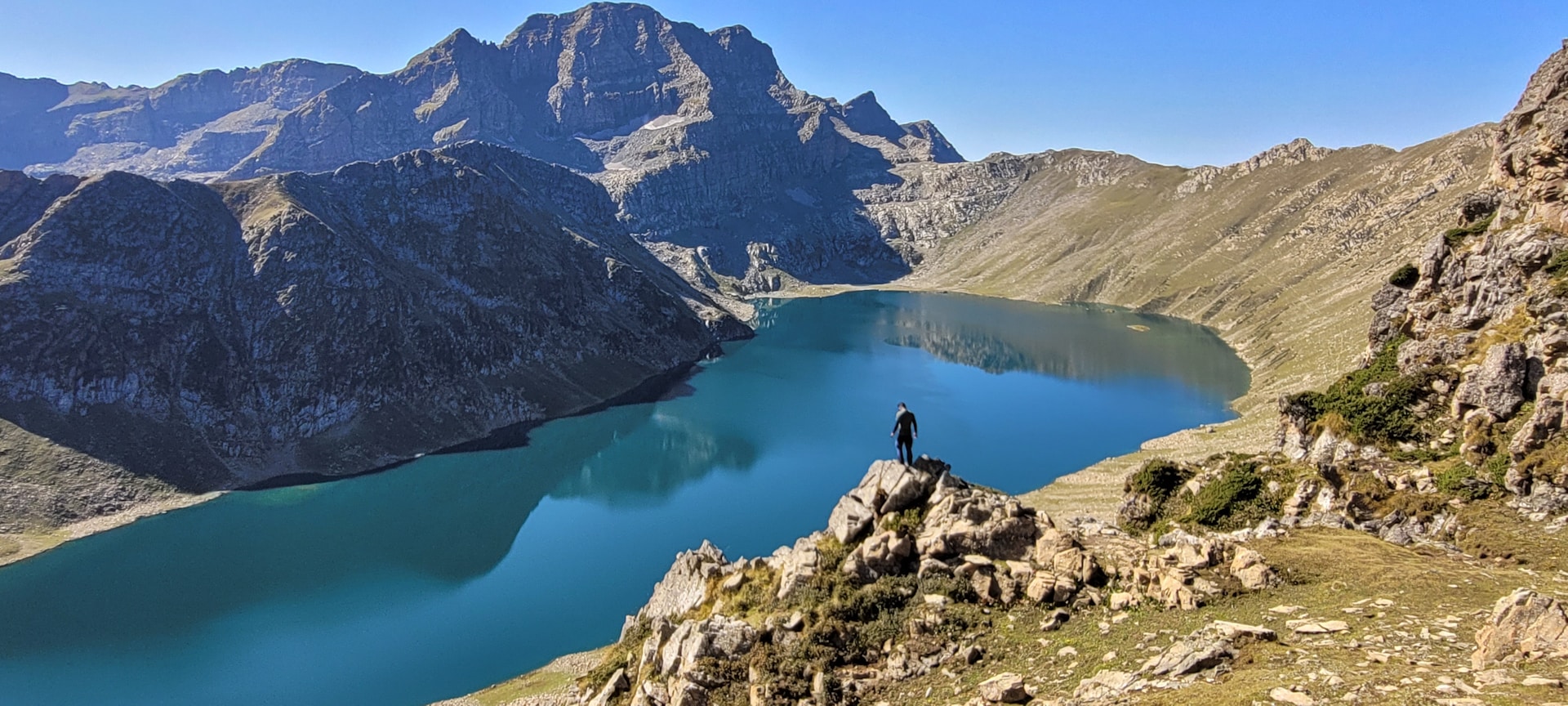
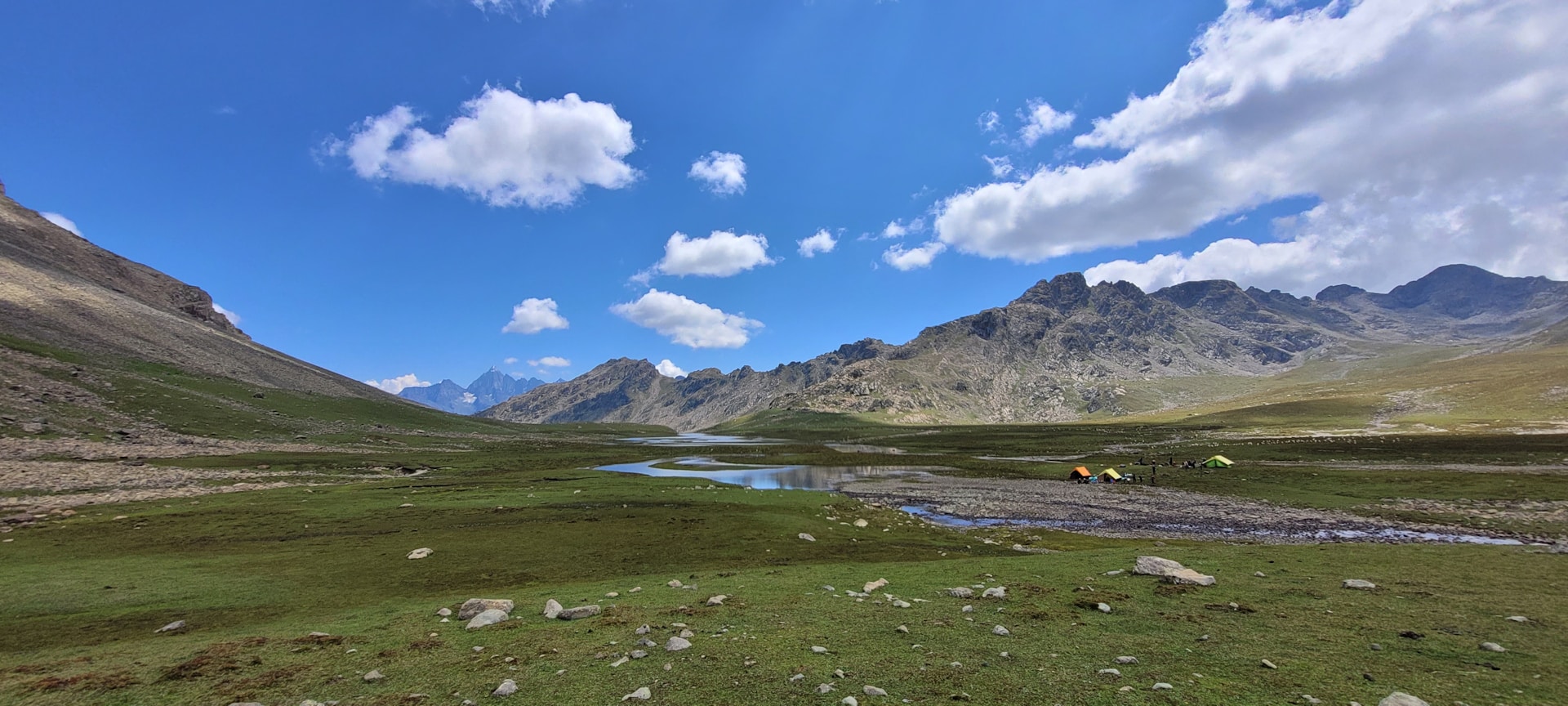
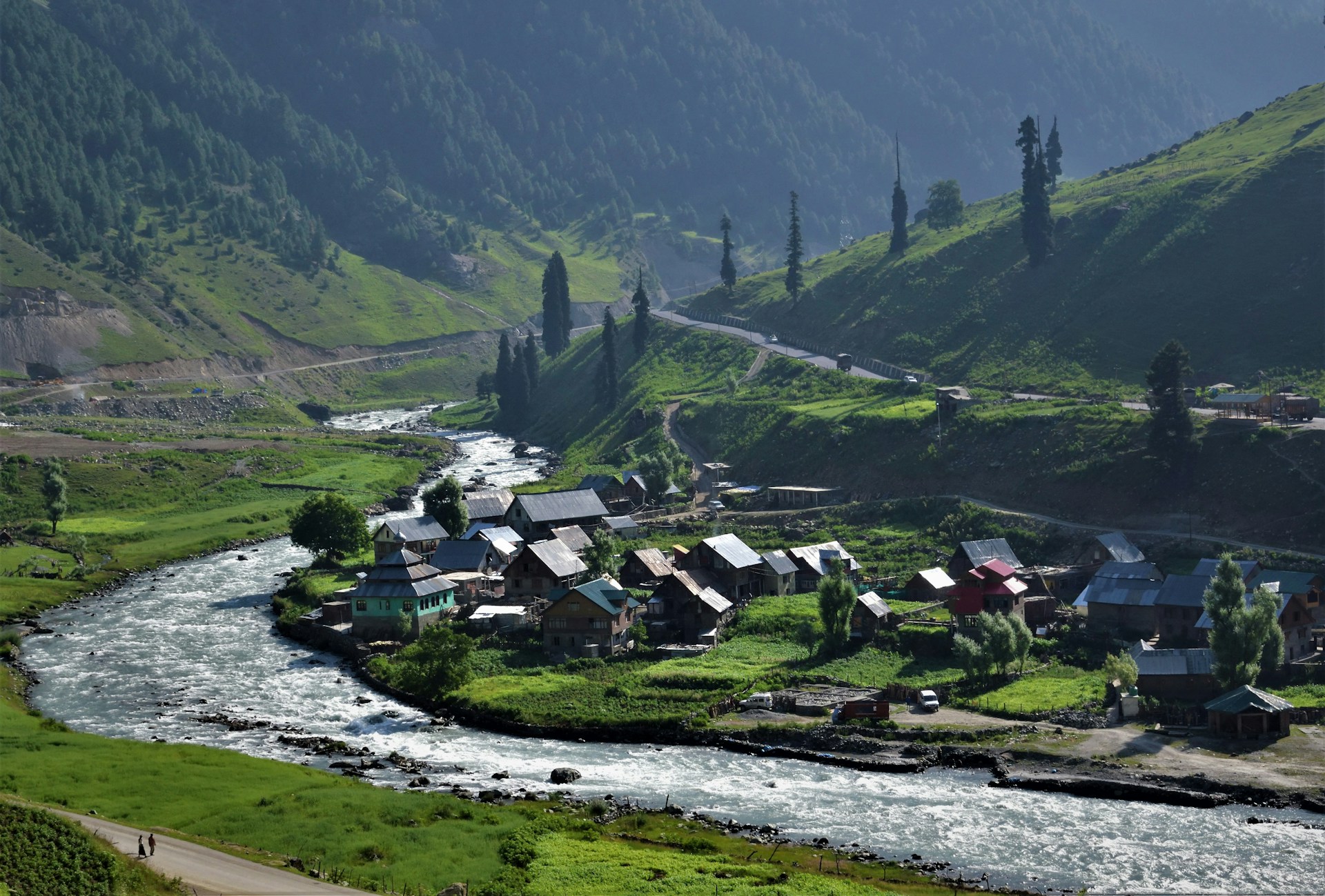
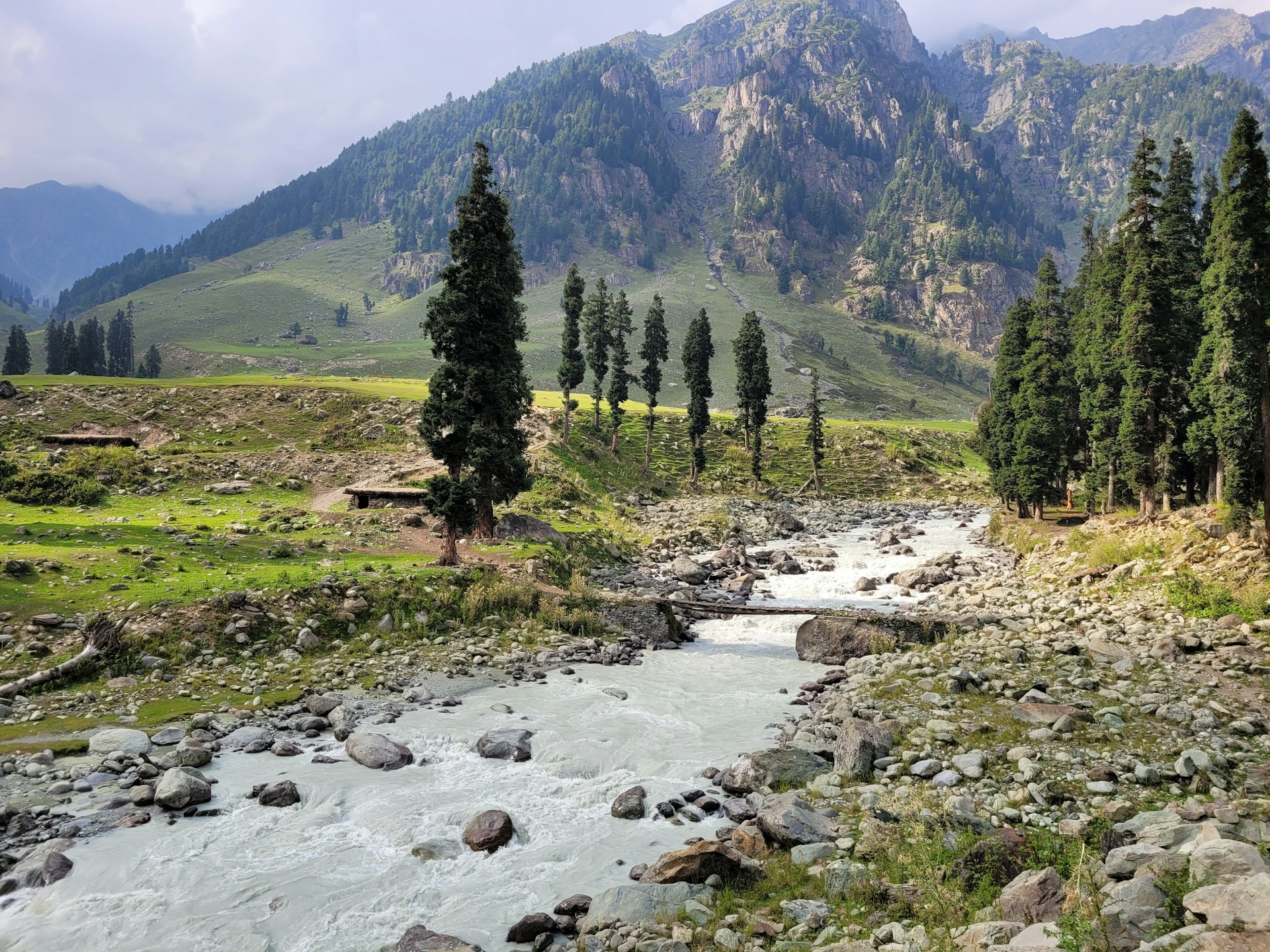
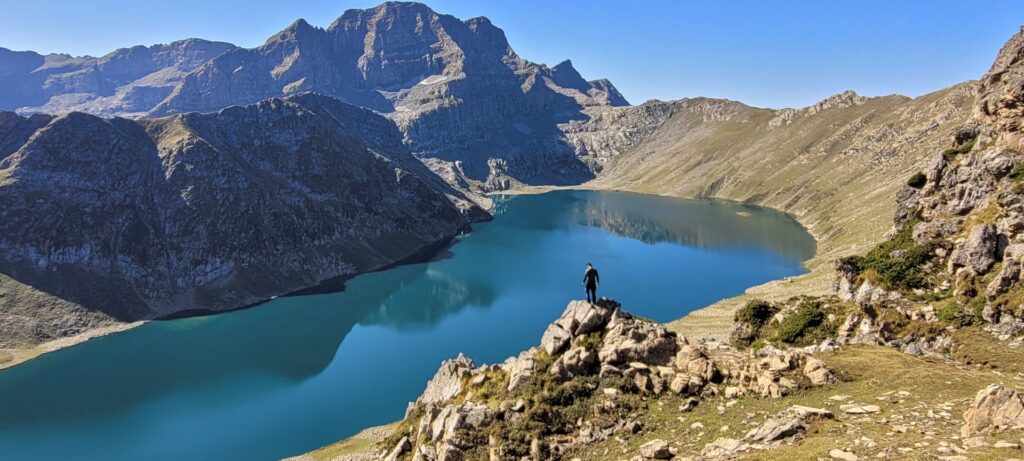
If there is a trek that directly mimics a painter’s wild imagination, it is the Kashmir Great Lakes Trek. Often abbreviated as KGL, this multi-day high-altitude crossover trail bypasses typical valley views to drop you straight into an untouched paradise of turquoise glacial lakes, rolling alpine meadows, and dramatic mountain passes.
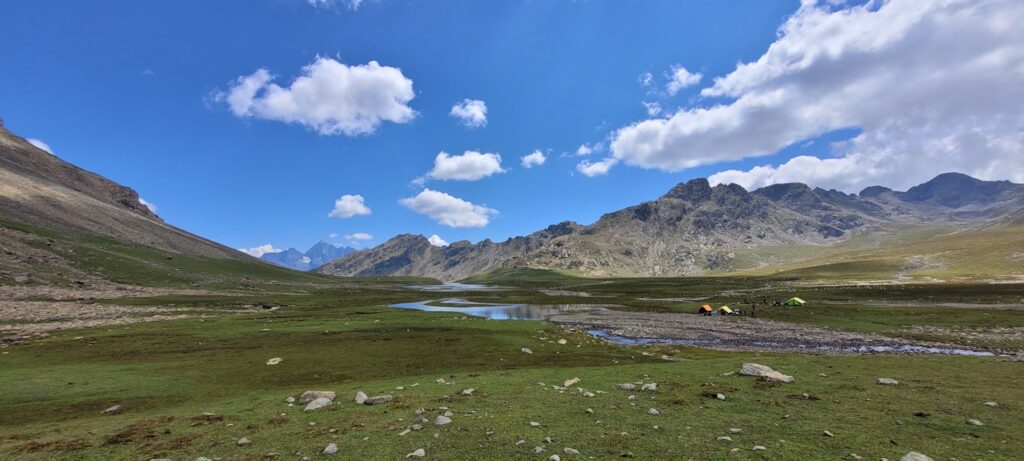
Unlike many popular Himalayan routes that feature dense forests or rugged boulders, KGL is famous for its vast, open, velvety-green grasslands that stretch as far as the eye can see, punctuated every single day by a new massive lake.
Before breaking down the trail, let’s look at the foundational details of the journey:
| Parameter | Details |
| Duration | 7 Days / 6 Nights |
| Total Distance | ~68 km to 72 km (on foot) |
| Highest Altitude | 13,850 ft ($4,221 \text{ m}$) at Gadsar Pass |
| Difficulty Level | Moderate to Difficult |
| Starting Point | Shitkadi (near Sonamarg) |
| Ending Point | Naranag |
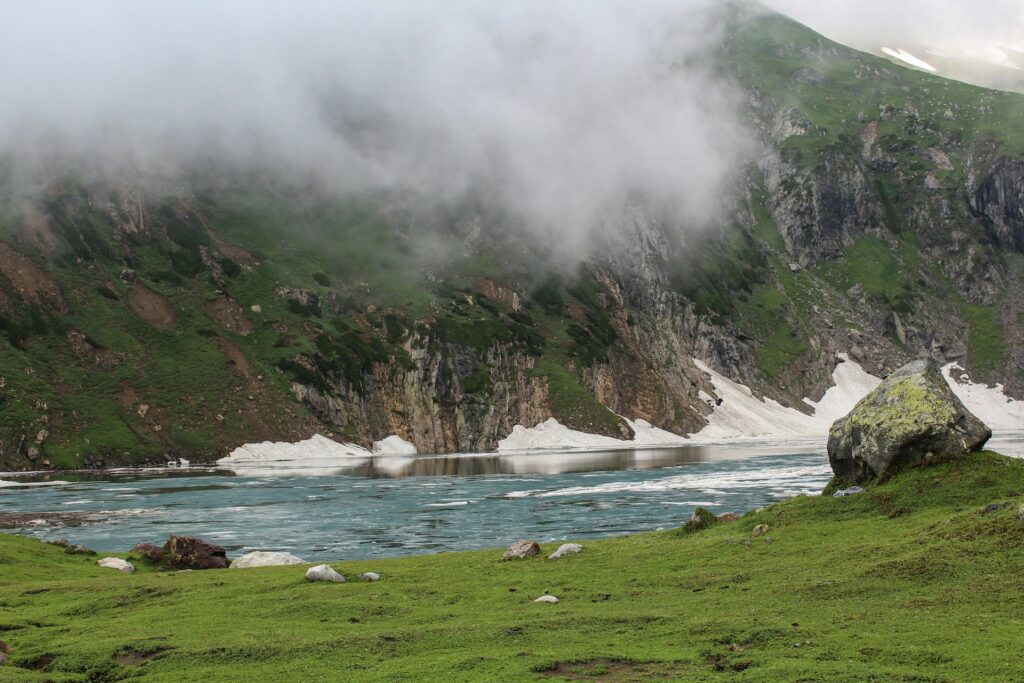
Seven Lakes in Seven Days: You don’t just catch a glimpse of water from a distance. You pitch your tents directly alongside iconic glacial bodies like Vishansar, Krishansar, Gadsar, Satsar, Nundkol, and Gangabal.
The Rain Shadow Advantage: While the rest of India faces heavy monsoon downpours, the Pir Panjal range acts as a natural shield. This makes Kashmir relatively stable and incredibly vibrant between July and September.
The Majestic Mt. Harmukh View: Camping at Nundkol puts you right under the towering, sheer cliff face of Mount Harmukh, with its hanging glaciers feeding the twin lakes below.
The trail crosses three high-altitude mountain passes. Here is how the classic cross-over journey unfolds:
Because of high winter snow accumulation on the passes, the trail is completely inaccessible for most of the year. The ideal trekking window is tightly limited to the summer and early autumn months:
Early July brings leftover snow patches on the high passes, creating a sharp contrast against the emerging bright green meadows. Streams run fast and high as the glaciers feed the lakes.
By August, the valley transitions into an explosion of color. Wildflowers blanket the grasslands, the weather stabilizes, and the lakes present their deepest, most vibrant shades of aqua-green. This is considered the peak aesthetic window.
In early September, the monsoon clouds disappear completely, offering the crispest, clearest views of the mountain peaks. The meadows slowly transition from vibrant emerald to a warm, rustic golden hue.
Safety & Preparation Note: KGL is a demanding multi-day trek that covers significant distances daily. Cardiorespiratory endurance is essential. It is highly recommended to start a dedicated fitness regimen focusing on uphill walking, jogging, or cycling at least 4 to 6 weeks before your departure date.
Arrive Srinagar. Drive to Sonamarg base (2,730m). Briefing and gear check.
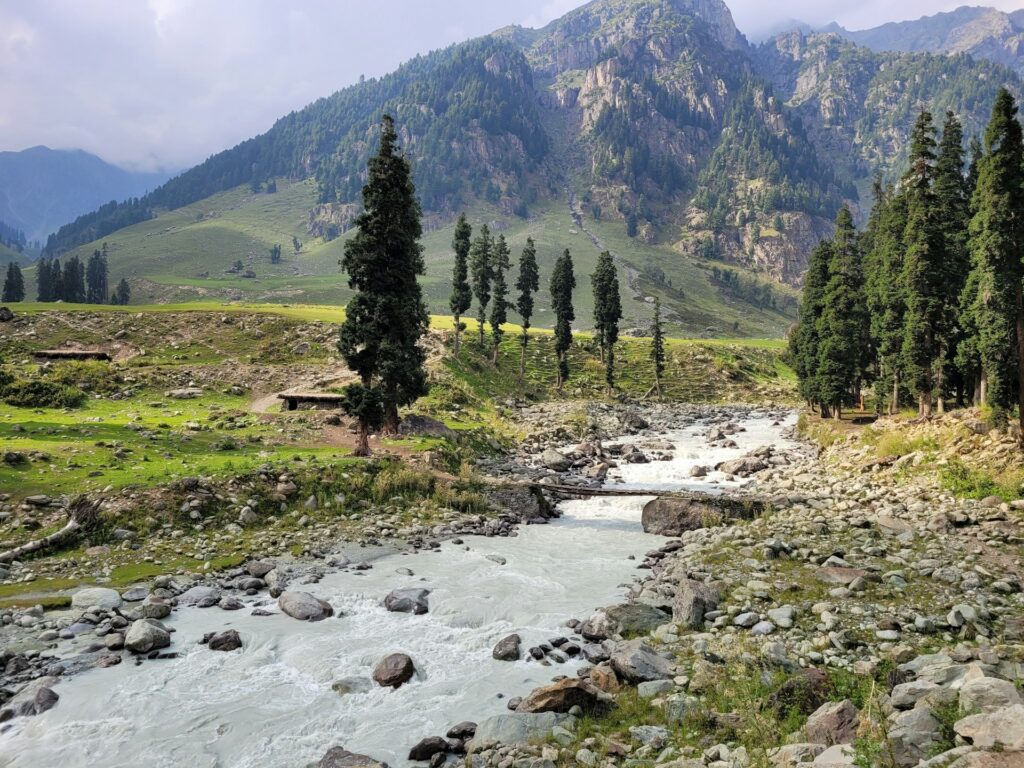
Trek 11km through Thajwas Valley to Nichnai pass camp.
Cross Nichnai Pass. First of the great lakes — Vishansar, deep blue in a glacial bowl.
Cross the high Gadsar Pass (4,200m). Descend to remote Gadsar Lake valley.
Trek through the multiple Satsar lakes — each a different shade of blue.
The most spectacular camp of the trek — twin lakes Gangabal and Nundkol with Harmukh peak (5,142m) towering above.
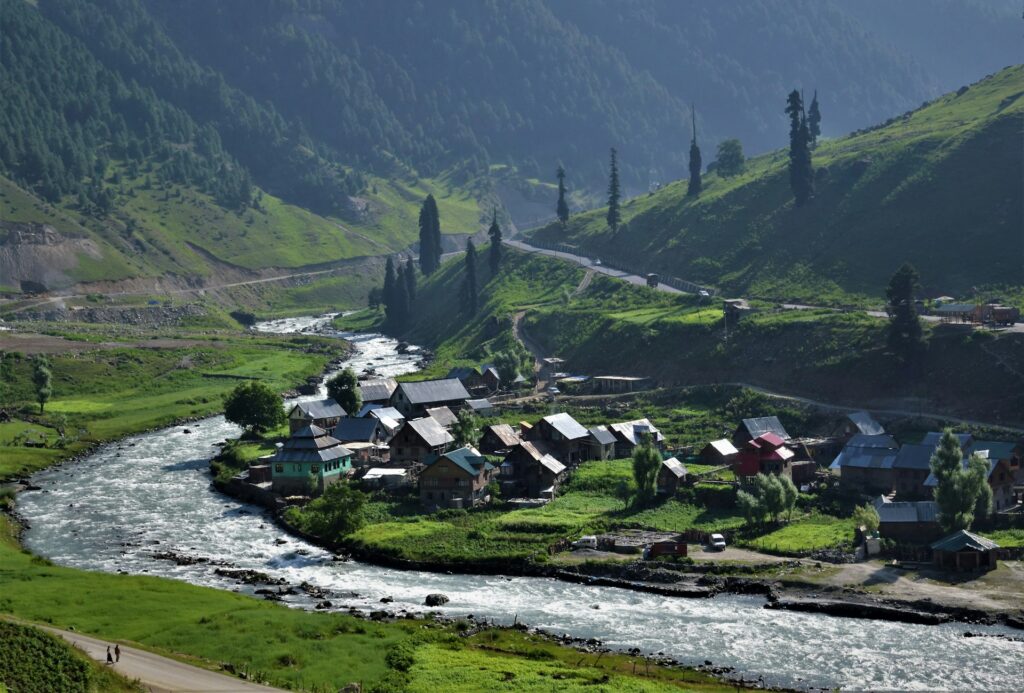
Descend through forest to Naranag village. Drive to Srinagar.
Karnataka's most challenging trek — the Pushpagiri summit at 1,712m. 24km round trip with steep climbs, shola grasslands,…
India's finest winter snow trek. Spectacular snow-covered summit at 3,800m with panoramic views of Swargarohini, Bandarpoonch, Kala Nag,…
Kashmir – Wanderers’ Nest A Kashmir Trip is a perfect combination of breathtaking Himalayan landscapes, peaceful valleys, beautiful…