
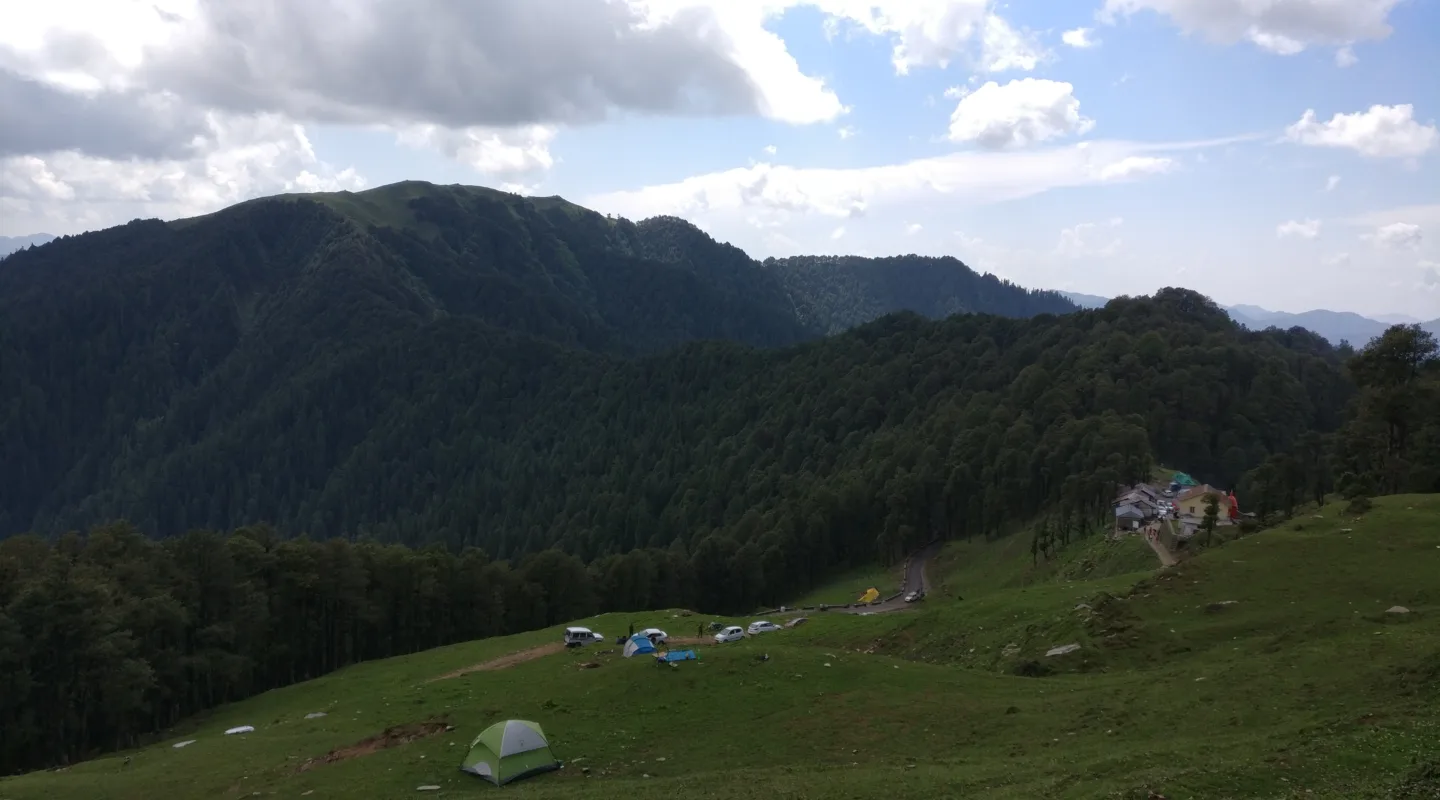

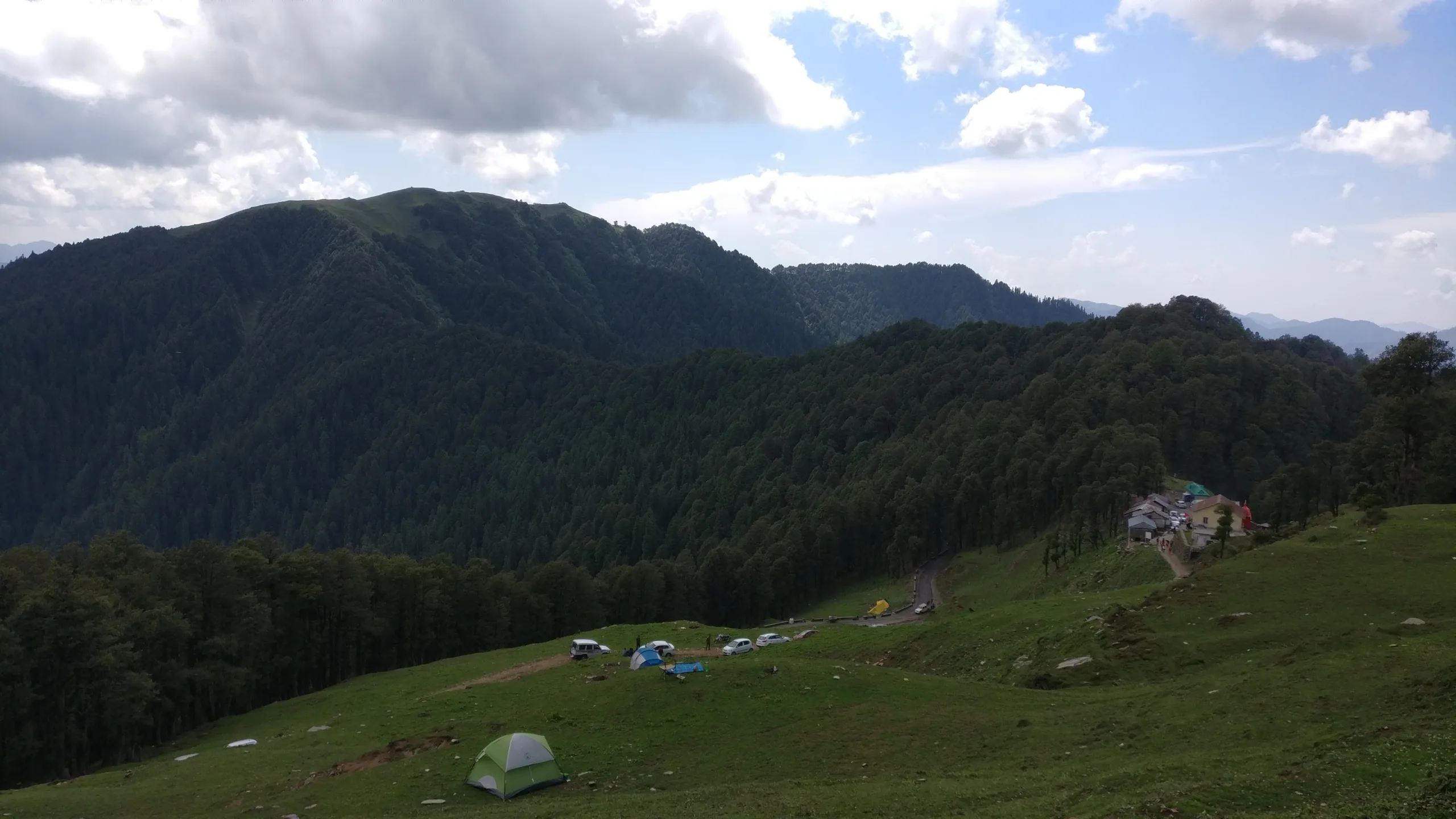
The Jibhi Jalori Tirthan trip is a 5-day Himachal escape that strings together three of the quieter corners of the Kullu-Banjar region: the wooden-house village of Jibhi, the forested heights of Jalori Pass, and the clear waters of the Tirthan Valley. It is a trip for travellers who want more than a conventional hill-station holiday – short walks, waterfalls, riverside evenings and long mountain views, without the crowds of Manali.
At a Glance
| Duration | 5 days (3 nights in the mountains) |
|---|---|
| Route | Delhi – Jibhi – Jalori Pass – Serolsar Lake – Tirthan Valley – Delhi |
| Difficulty | Easy |
| Best time | March to June and September to November |
| Highlights | Jibhi Waterfall, Jalori Pass, Serolsar Lake, Tirthan River |
| Price | From Rs 6,499 per person |
| Next departures | 20, 27 Nov; 4, 11, 18 Dec 2026 |
Why Choose the Jibhi Jalori Tirthan Trip?
Jibhi is a charming Himalayan village known for its traditional wooden houses, lush green surroundings and peaceful atmosphere. Jalori Pass is a scenic mountain pass surrounded by dense forests, with a short trek to the serene Serolsar Lake. Tirthan Valley is famous for its clear mountain river, forest trails, traditional villages and waterfalls. Together they make a relaxed, nature-first itinerary that suits couples, families and small groups.
Jibhi Jalori Tirthan Itinerary
Day 1: Departure to Jibhi
Assemble at the pickup point in the evening, meet your trip leader, and begin the overnight journey towards Jibhi. A dinner halt is made en route (not included).
Day 2: Jibhi sightseeing
Reach Jibhi in the morning and check in. After resting, visit Jibhi Waterfall and the spot locals call Mini Thailand, then enjoy a riverside walk and a bonfire with light music in the evening.
Day 3: Jalori Pass and Serolsar Lake
Wake up early for sunrise, have breakfast and drive to Jalori Pass. Trek about 4 km to Serolsar Lake via the 360-degree viewpoint, weather and trail conditions permitting. Return for a bonfire and overnight stay.
Day 4: Tirthan Valley and departure
After breakfast, check out and head to Tirthan Valley. Trek to Choiee Waterfall, enjoy the surroundings, then drive towards Kullu with river rafting if time permits. Begin the overnight journey back to Delhi or Chandigarh in the evening.
Day 5: Reach Delhi
Arrive in Delhi early in the morning and the trip ends.
Best Time to Visit Jibhi and Tirthan Valley
March to June is ideal for pleasant weather and greenery. September to November offers clear mountain views and comfortable temperatures. Winter is suitable for travellers looking for a peaceful, snow-dusted escape, though Jalori Pass can see snow closures.
How to Reach Jibhi, Jalori Pass and Tirthan Valley
The trip runs from Delhi by tempo traveller or Volvo, with an overnight journey each way. Jibhi sits in the Banjar valley of Kullu district, roughly 500 km from Delhi, and the drive climbs through Mandi and Aut before turning off the main Manali highway at Larji. Jalori Pass is about an hour above Jibhi on the road towards Shimla, and Tirthan Valley lies south of Larji along the Tirthan river. Because the three places sit close together, the trip spends its nights in one base and does day excursions rather than repacking every morning.
What to Expect on the Serolsar Lake Walk
The walk from Jalori Pass to Serolsar Lake is about 4 km each way, through dense oak and rhododendron forest, with the 360-degree viewpoint on the way. It is an easy-to-moderate forest trail rather than a high-altitude trek, and it can be done in ordinary walking shoes. In winter the trail can hold snow and the pass road may close, so the walk is always subject to weather and trail conditions. The lake itself is small, still and ringed by forest, and there is a tiny temple beside it.
Jibhi vs Tirthan vs Kasol: Which Valley Suits You?
All three are Himachal valley trips, but they attract different travellers. Kasol and the Parvati valley are busier, with a backpacker cafe scene and the Kheerganga trail nearby. Tirthan is quieter and more river-focused, popular with anglers and families, and it sits at the edge of the Great Himalayan National Park. Jibhi is the smallest and most village-like of the three, with wooden houses, a waterfall and forest trails, and it works best as a base for Jalori Pass. If you want nightlife, go to Kasol. If you want a river and forest, go to Tirthan. If you want a slow village stay with a pass and a lake walk, Jibhi is the one.
Packing for a Himalayan Village Trip
This is not a trekking trip, so you do not need technical gear. Bring layered clothing: a warm mid-layer, a windproof outer shell and a light rain jacket, because evenings at 1,600 m are cold even in summer. Walking shoes with grip are enough for the Serolsar Lake trail and the Choiee Waterfall walk. Add a power bank, a reusable water bottle, sunscreen and a hat. Leave the heavy trekking boots at home.
What’s Included
Related Treks and Trips
Ready for a quiet week in the Himalayas? Book the Jibhi Jalori Tirthan trip with Wanderers’ Nest, or message us on WhatsApp to check seats on the next departure.
Frequently asked questions
What does this guide to Jibhi Jalori Tirthan Trip cover?
Photograph: Manish57335, CC BY-SA 4.0, via Wikimedia Commons The Jibhi Jalori Tirthan trip is a 5-day Himachal escape that strings together three of the quieter corners of the Kullu-Banjar region: the wooden-house village of Jibhi, the forested heights of.
What are the main things covered in this Jibhi Jalori Tirthan Trip guide?
The guide walks through At a Glance, Why Choose the Jibhi Jalori Tirthan Trip?, Jibhi Jalori Tirthan Itinerary, Day 1: Departure to Jibhi and Day 2: Jibhi sightseeing.
Which months does this guide recommend?
The months discussed are March, June, September and November. Conditions outside those windows change the route, so check the current status before you plan travel.
How hard is the route described here?
The guide rates it easy. Match that against your own fitness and recent walking before you commit to dates.
How do I book the trip described in this guide?
Open the trip page linked in the article, pick a departure that suits you and book online, or message us on WhatsApp with your dates and group size and we will confirm availability.
What does this trip cost?
Current pricing is on the linked trip page, along with the full inclusions and exclusions. Rates vary by season and departure.
