Winter Spiti Road Trip 2026
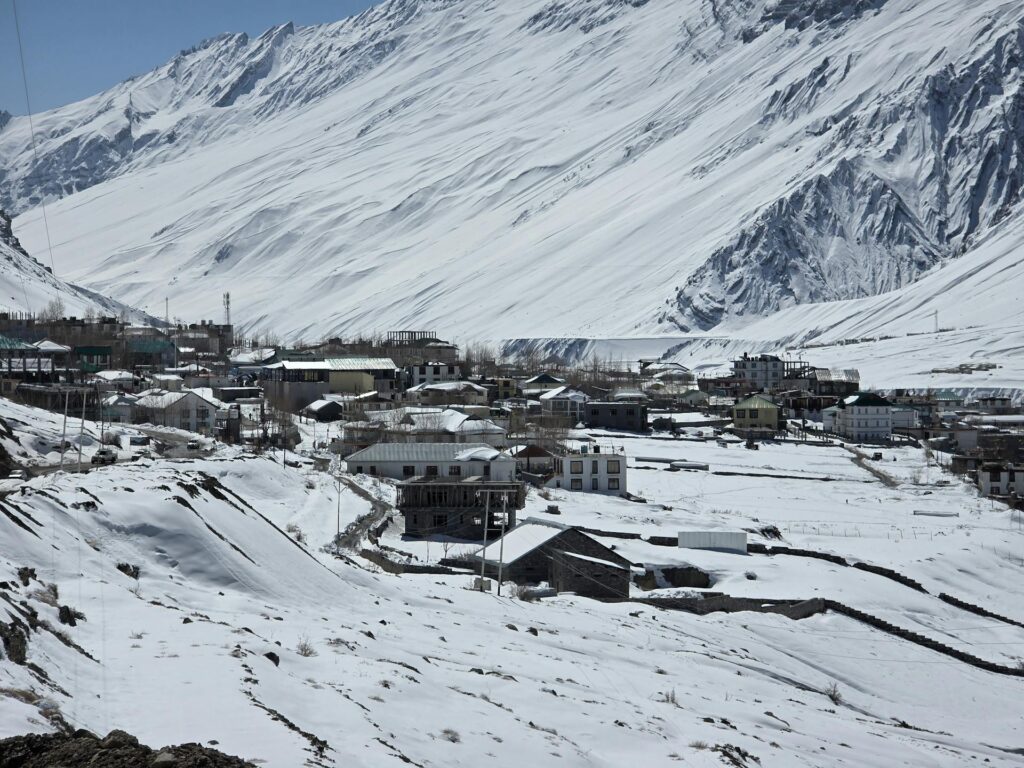
Spiti Valley, often called “The Middle Land,” is one of India’s most enchanting high-altitude deserts. But while summer brings in clouds of tourists, Winter Spiti is an entirely different world — quiet, untouched, raw, and overwhelmingly beautiful.
Recent Reviews
Read More
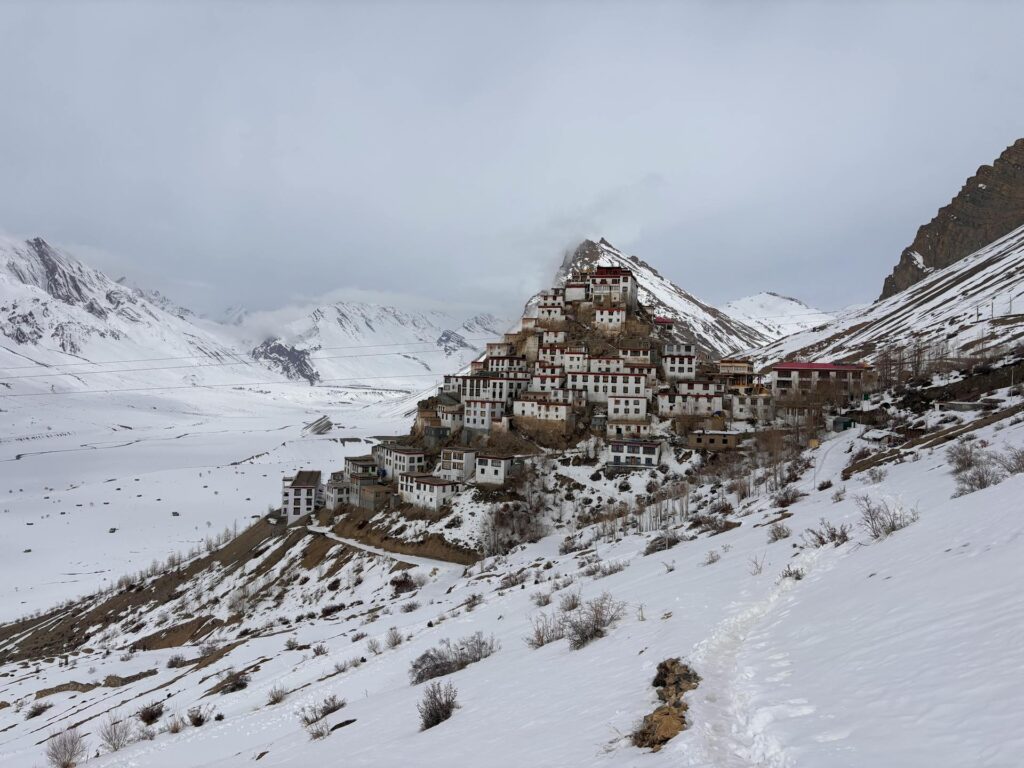
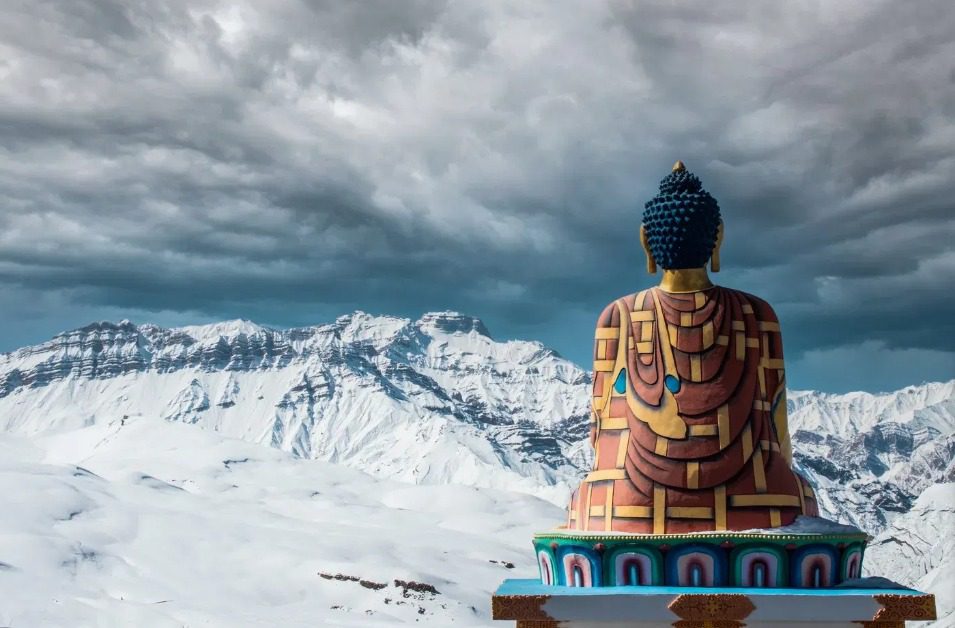
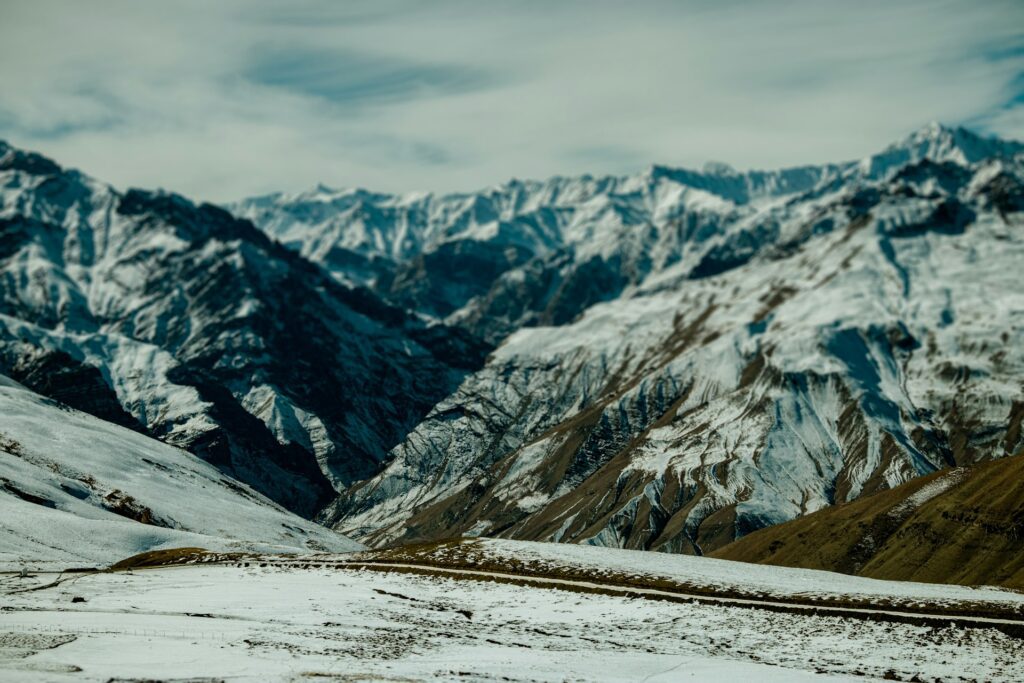
Experiencing Spiti Valley in winter feels like stepping into a snow globe: whitewashed mountains, frozen lakes, sleepy villages wrapped in silence, and ancient monasteries standing tall against the harsh Himalayan winter.
At Wanderers’ Nest, we specialize in the all-weather Shimla-Kaza route, the only motorable access point during the harsh winter months. Navigating the Hindustan-Tibet Highway requires more than just a 4×4; it requires the expertise of local Himalayan drivers who understand the nuances of black ice and shifting snowdrifts.
Highlights of Winter Spiti
- Snow-Covered Landscapes: Witness the stunning beauty of whitewashed mountains, frozen lakes, and snow-laden villages.
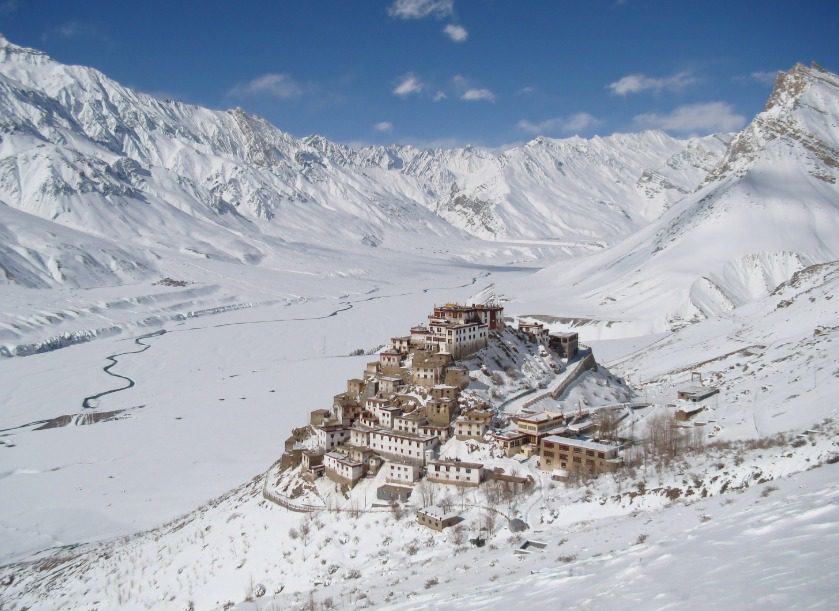
- Iconic Monasteries: Explore ancient monasteries like Key Monastery, Tabo Monastery, and Dhankar Monastery, offering spiritual and cultural insights.
- Frozen Spiti River: Experience the frozen Spiti River, a rare sight only visible during the harsh winter months.
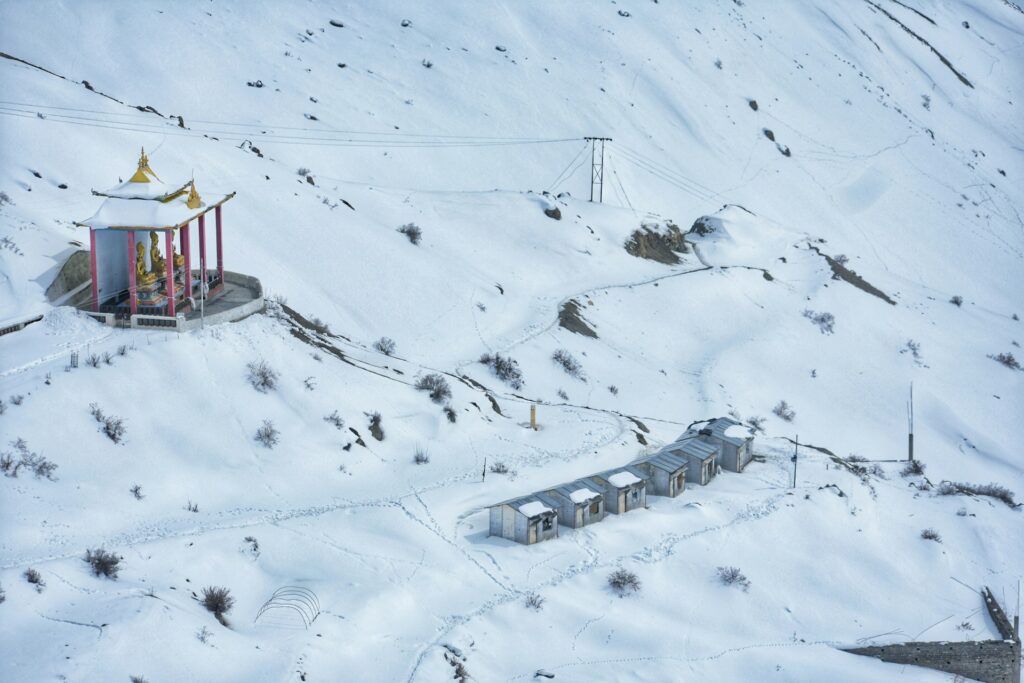
- Charming Villages: Visit the highest inhabited villages like Kibber, Langza, and Komic, where life slows down under a thick blanket of snow.
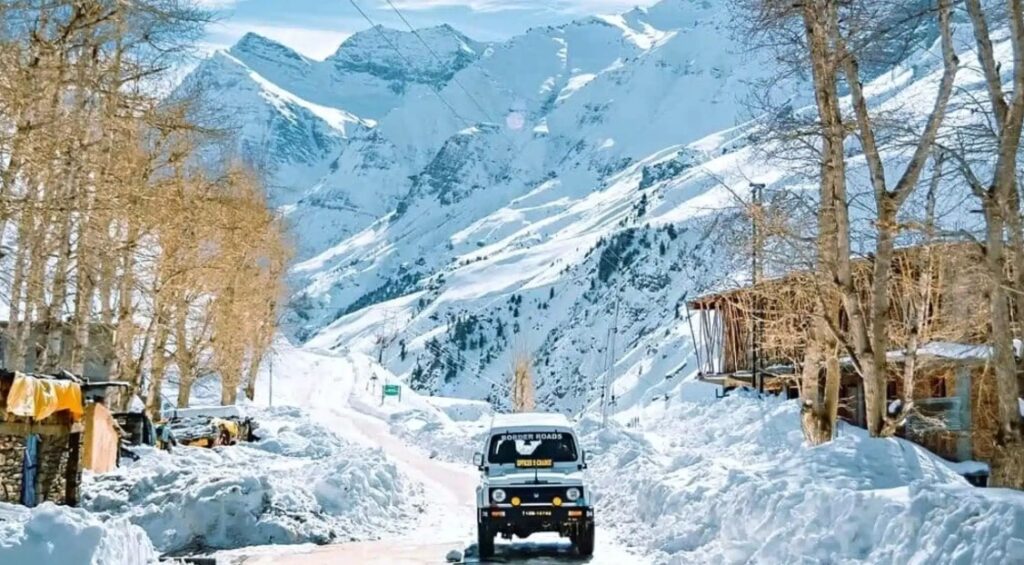
- Thrilling Adventure: Drive through snow-covered roads and navigate the challenging Hindustan-Tibet Highway for a true adventure.
Best Time to Visit Spiti Valley in Winter
The winter season in Spiti typically lasts from December to March.
But the peak winter experience is:
December – February (Best Months)
- Maximum snowfall
- Frozen river
- Snow-covered road drives
- Snow leopard spotting
- Ideal for photography and winter expeditions
Temperature ranges from:
- Day: –5°C to –15°C
- Night: –15°C to –30°C
Yes — it gets that cold.
How to Reach Spiti Valley in Winter
Reaching Winter Spiti itself is a thrilling journey.
Summer Route (Manali–Kaza)
❌ Closed in winter due to heavy snowfall at Rohtang & Kunzum Pass.
Winter Route (Shimla–Kaza)
✔ Open throughout winter
✔ Only motorable access to Spiti from December to March
✔ More reliable for Winter Spiti tours
Route:
Shimla → Narkanda → Rampur → Reckong Peo → Pooh → Nako → Tabo → Kaza
This route is stunning and safe, but winter driving requires experienced drivers and 4×4 vehicles.
Trek Difficulty & Road Conditions in Winter Spiti
Winter Spiti is stunning — but demanding.
1. Challenging Terrain
Snow accumulation can lead to:
- Black ice on roads
- Narrow passageways
- Occasional roadblocks
- Need for snow chains and backup equipment
Drivers must be trained for mountain winter terrain.
2. High-Altitude Challenges
Spiti’s altitude ranges from 3,000 m to 4,500 m.
Be prepared for:
- Breathlessness
- Mild headaches
- Dry weather
- Fatigue
Proper acclimatization is crucial.
3. Limited Facilities
Since Spiti goes into hibernation during winter:
- Smaller guesthouses close
- Electricity cuts are common
- Water freezes in pipes
- Only basic food options available
This is real, raw Himalayan living.
Essential Items to Carry for Winter Spiti
If you’re planning a Winter Spiti tour, your packing list must include:
Clothing
- Thermal base layers (top + bottom)
- Heavy down jacket
- Waterproof & windproof outer shell
- Woolen sweaters
- Snow boots with good grip
- Woolen socks (5–6 pairs)
- Gloves (waterproof)
- Neck gaiter or scarf
Accessories
- Sunglasses (snow glare is intense)
- Sunscreen SPF 50+
- Lip balm
- Power banks
- Extra camera batteries (they drain fast in cold)
- Hot water bag
Health & Safety
Moisturizer (extreme dryness)
First-aid kit
Diamox (for altitude, consult doctor)
Personal medicines
ORS packets
Similarly Please Checkout Holi Celebration In Sangla
Why Choose the Spiti Winter?
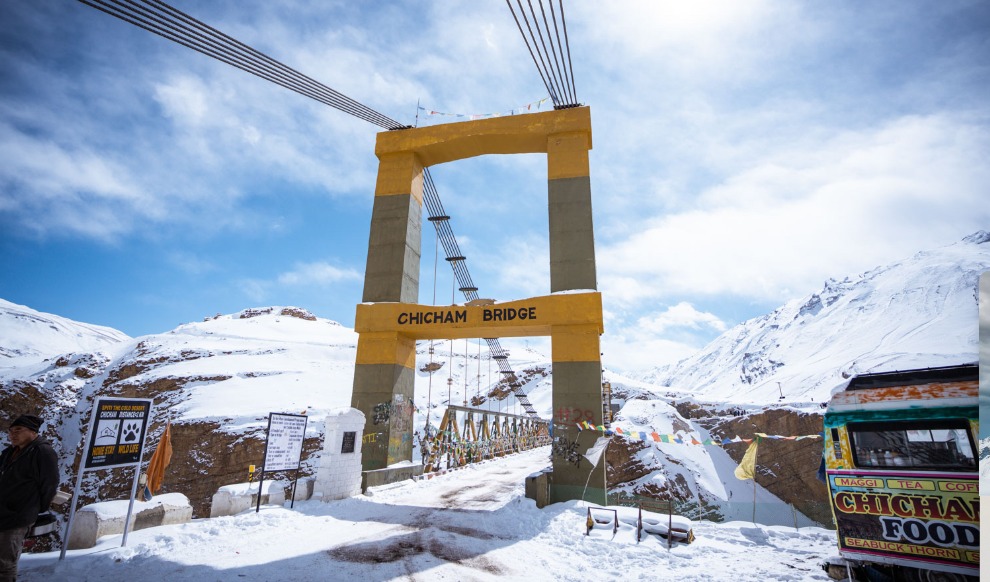
- The Elusive Snow Leopard: Winter is the prime season for "Ghost of the Mountains" sightings near Kibber and Chicham.
- Iconic Landmarks in White: Witness the Key Monastery looking like a floating fortress in the snow and send a postcard from the highest post office in the world at Hikkim.
- The Frozen Spiti River: Experience the surreal sight of a river frozen mid-flow, a spectacle reserved only for those who brave the -20°C temperatures.
- Authentic Cultural Immersion: With the summer crowds gone, experience true Homestay hospitality. Sit around the Bukhari (traditional heater), sip on butter tea, and hear tales of Himalayan survival from the locals.