
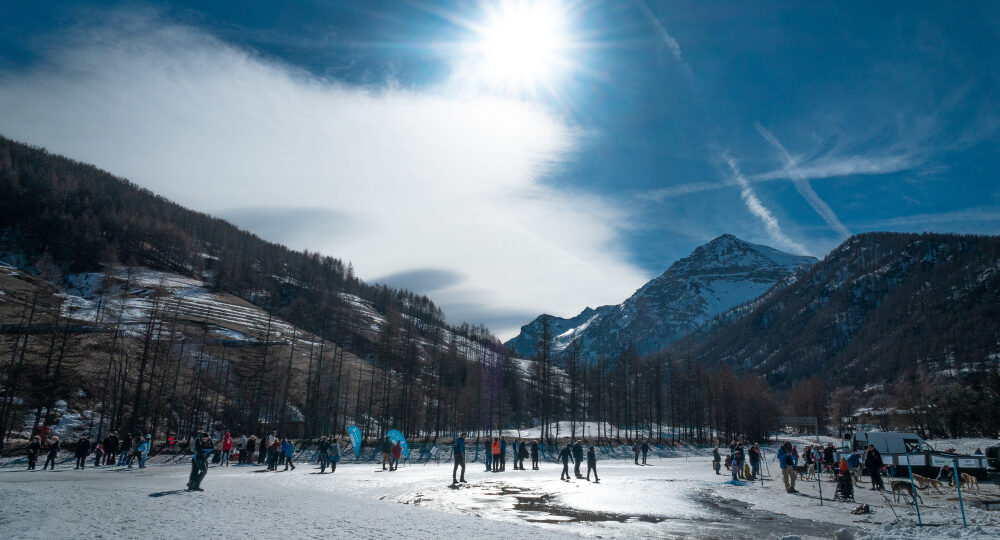
Winter Spiti Weather 2026
Winter in Spiti is not just a season; it is a total transformation. For travelers looking to join a Wanderers Nest expedition, understanding the weather is the difference between a dream trip and a survival challenge.
In 2026, Spiti remains one of the coldest inhabited places in India. Here is everything you need to know about the weather, temperatures, and road reality for the winter months.
1. The Temperature Breakdown (Jan – March 2026)
The “numbers” in Spiti are unlike anything you experience in the plains. It is a dry, biting cold that freezes everything from water pipes to diesel.
| Month | Day Temp (Avg) | Night Temp (Avg) | Extreme Lows |
| January | $-5C to $2C | $20C to $-25C | Up to $-30C |
| February | $2C to $5C | $-15C to $-22C | Up to $-28C |
| March | $2C to $10C | $-10C to $-18C | Up to $-22C |
Wanderers Nest Note: January 2026 has seen consistent cold waves, with night temperatures in Kaza frequently hitting -25C. This is the month of the “White Spiti” where even the Spiti River begins to freeze.
2. Monthly Weather Outlook for 2026
January: The Peak of Winter
This is the coldest month. The sky is often a piercing, deep blue, but the wind chill makes it feel much colder than the thermometer suggests. Expect heavy snow accumulation in high-altitude villages like Hikkim and Komic.
- Weather: High probability of Western Disturbances bringing fresh snow.
- Roads: Manali-Kaza route is Closed. Access is only via Shimla-Kinnaur.
February: The Month of Snow Leopards
February is slightly warmer by day, but snowfall is more frequent. This is the prime time for wildlife enthusiasts to spot the elusive “Grey Ghost of the Mountains” (Snow Leopard) as they descend to lower altitudes for warmth.
- Weather: Intermittent snowfall; landscapes are 100% white.
- Pro Tip: Sunlight lasts longer than in January, but “Black Ice” on the roads is a major hazard.
March: The Great Thaw
March marks the transition. While the valley is still snow-laden, the sun starts to feel “prickly” and warm. By late March, the heavy snow starts to melt, occasionally causing slushy road conditions.
- Weather: Crisp mornings and pleasant afternoons.
- Experience: Perfect for those who want snow but can’t handle the -30C extremes of January.
3. The “Road Status” Reality
In winter, Spiti is a cul-de-sac.
- The Manali Route: The Rohtang and Kunzum Passes are buried under 15–20 feet of snow. This route remains strictly closed until late May/June.
- The Shimla Route: This is the only lifeline. Roads from Shimla via Reckong Peo and Nako stay open. However, fresh snowfall can block the road at Malling Nala or Nako for 24–48 hours until the BRO clears it.
4. How Spiti Weather Affects Daily Life
- Frozen Everything: Water in pipes freezes. You will likely use dry toilets (traditional compost toilets) and be provided with buckets of warm water for washing.
- Battery Drain: Extreme cold kills electronics. Your phone and camera batteries will drop from 80% to 0% in minutes if exposed to the air. Keep them in your inner jacket pockets!
- Dry Air: The air is exceptionally dry. Dehydration and chapped skin happen faster here than anywhere else.
5. Packing for the Spiti Freeze
At Wanderers Nest, we recommend the 4-Layer System:
- Base Layer: High-quality wool/synthetic thermals.
- Mid Layer: A thick fleece or wool sweater.
- Insulation Layer: A heavy down jacket (rated for at least -20C).
- Outer Layer: A windproof/waterproof shell to block the icy Spiti winds.
You can Also Checkout Or Below Blogs Regarding SPITI
White Spiti 2026: A Journey to the Edge of the World
Winter Spiti Road Trip Package
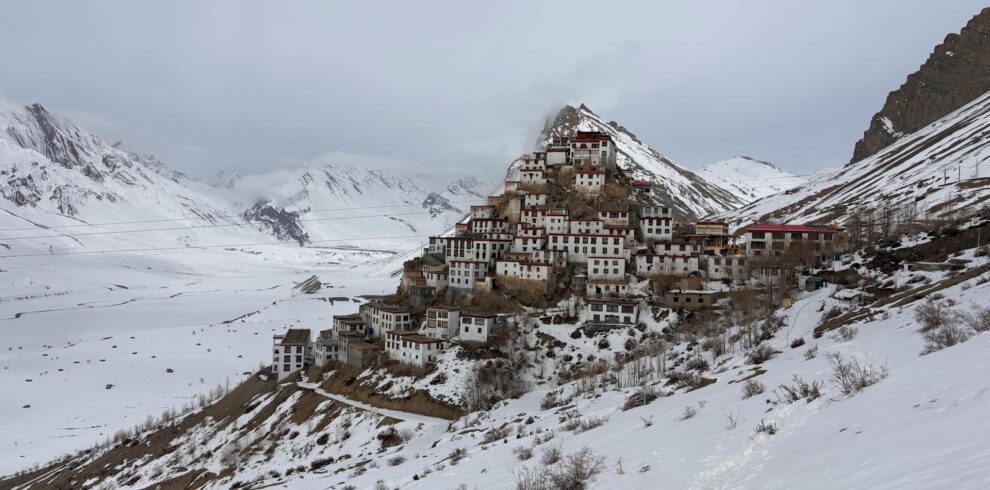
Spiti Valley, often called “The Middle Land,” is one of India’s most enchanting high-altitude deserts. But while summer brings in…

[…] Winter Spiti Weather Guide (2026): Surviving the Cold Desert […]
[…] the winter months (December to March), Spiti doesn’t just “get cold”—it becomes an […]