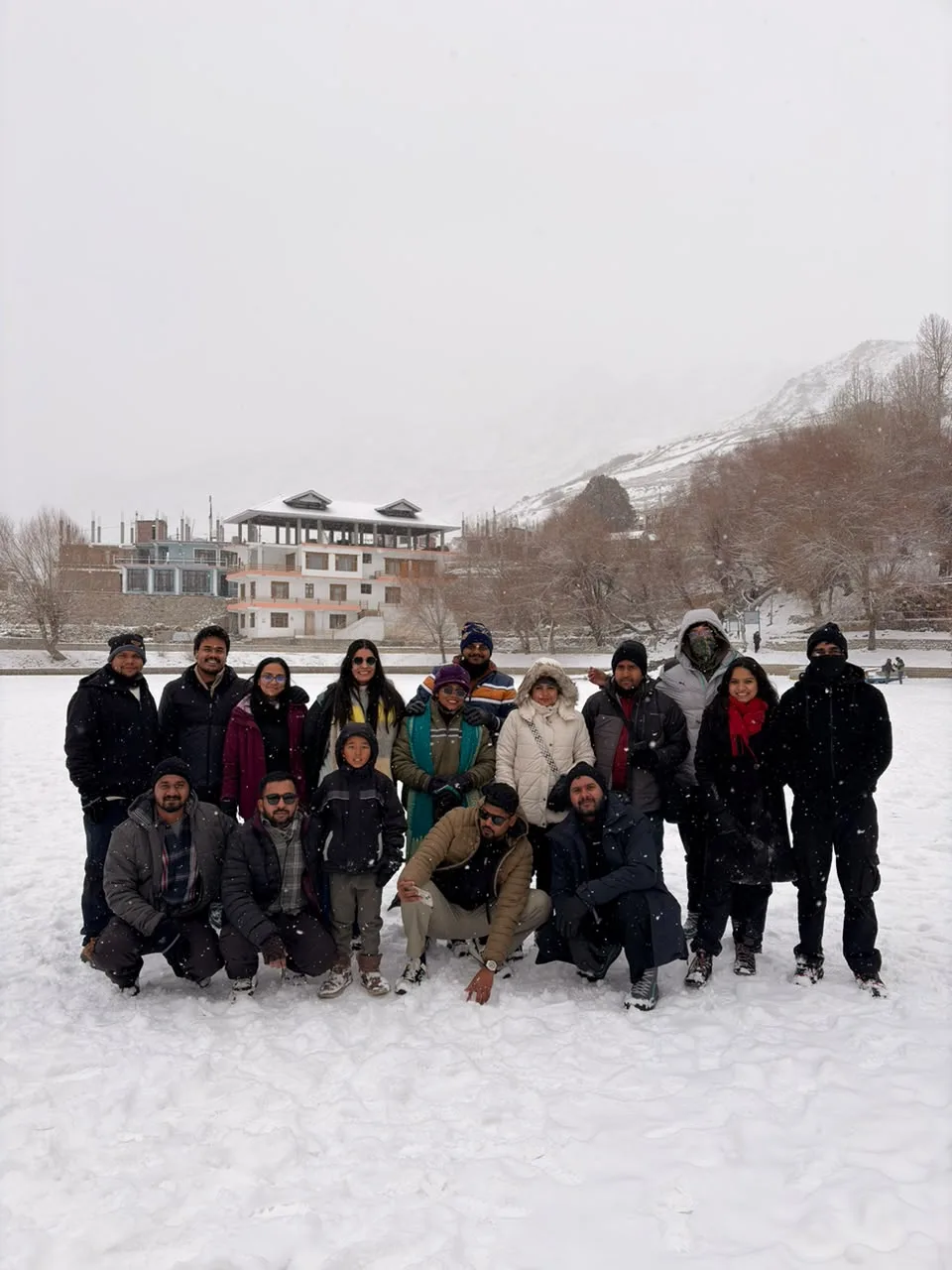
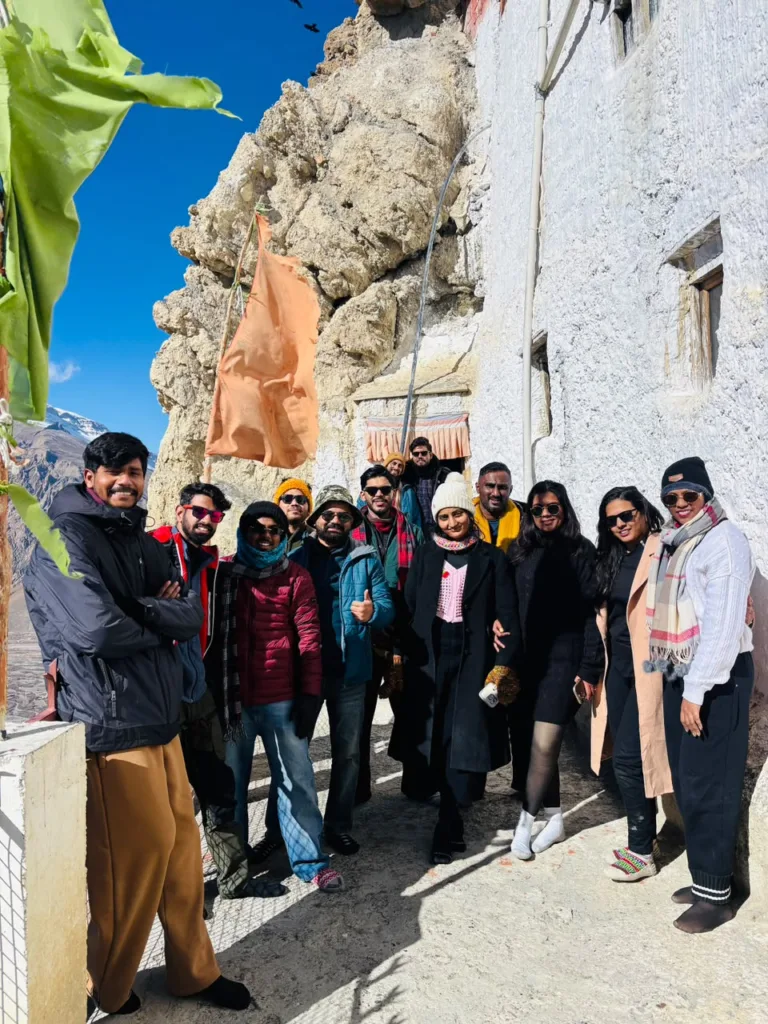
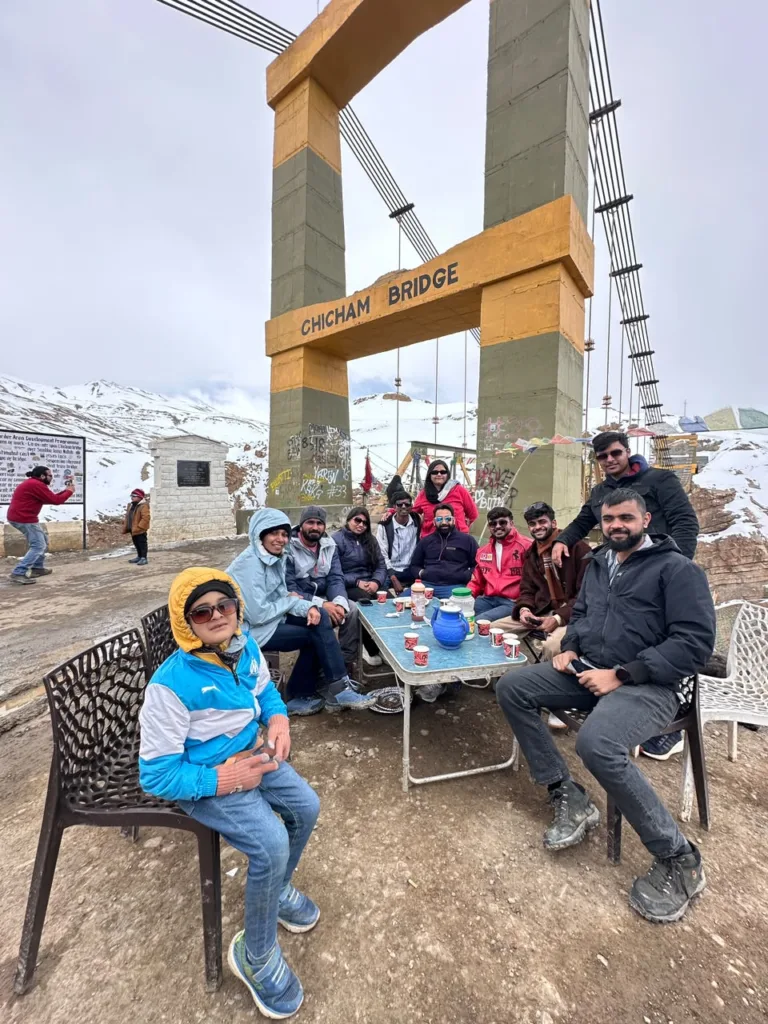
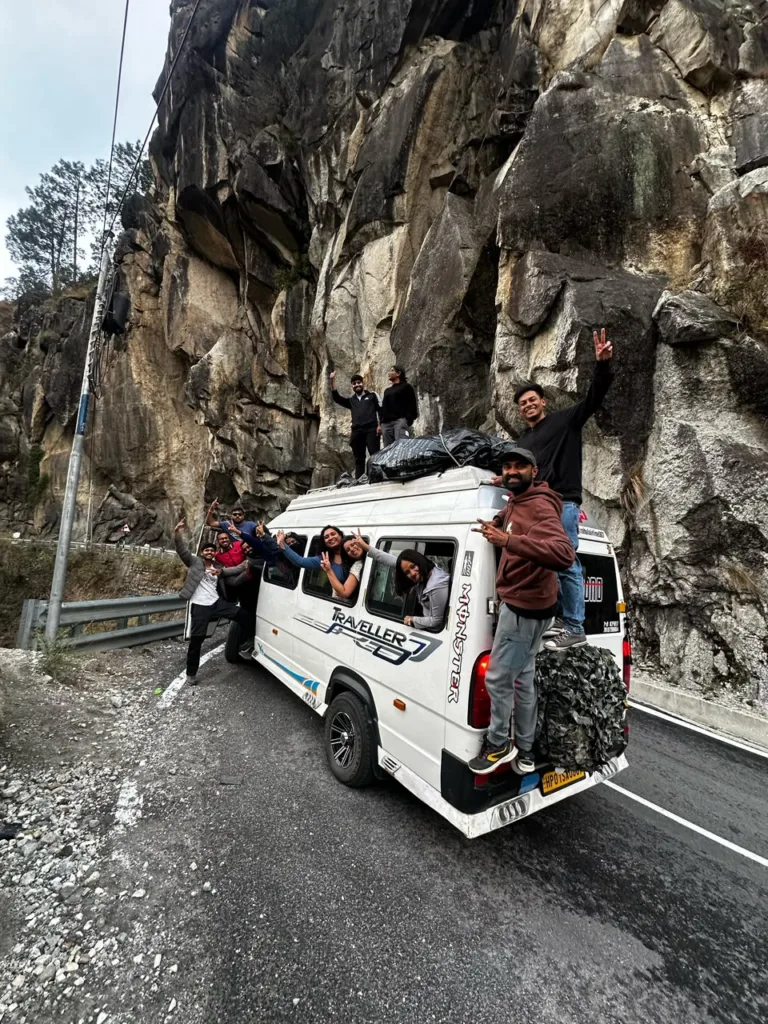
“Had an amazing experience travelling with Wandernest! The entire trip was so well organised, and every moment was filled with fun, laughter, and beautiful memories. The arrangements, coordination, and overall experience were truly wonderful. It was not just a trip but an unforgettable experience with my friends.”
KK
Kahkasha Khan
Posted on Google
“Had an amazing friends' trip with Wanderers Nest! The Mussoorie and Rishikesh tour was perfectly planned and the whole experience was the best. Highly recommended!”
AB
Abhay Barman
Posted on Google
“The trip with Wanderers Nest was better than I expected. Our guide was one of the best parts of the trip. He had great knowledge and patiently explained everything along the way. The stay was comfortable and the food arrangements were good.”
AP
Arpit Patel
Posted on Google
“Jibhi was more than just a weekend trip. I went there looking for a little break and came back with memories I didn't expect to make. Our guide was kind, knowledgeable and made everyone feel comfortable. The best part was the people — strangers on day one, laughing together like old friends by the end.”
VA
Vedant Agrawal
Posted on Google
“Amazing and wonderful experience with Wandernest. Really enjoyed the trip and the coordination and the moments on the trip. Never forget the moment, and special thanks to Hemant bhaiya for making my trip so amazing and unforgettable.”
KJ
Kundan Jha
Posted on Google
“We had a good experience with Wanderers Nest. We went for the Beas Kund trek. The trek leaders were really good and friendly and the food offered was very good. The entire package, Delhi to Delhi, was provided at a very reasonable price.”
SA
Shivansh Aggarwal
Posted on Google
“Just had a trip to Jibhi and Kasol with Wanderers Nest — it was so much fun and entertainment with everyone.”
SN
Subham Naik
Posted on Google
“Thank you for a wonderful trip and lovely memories! Your efforts made it even more special. Looking forward to another trip with you!”
A
Aaryan
Posted on Google
“Too much fun, countless memories and amazing experience.”
M
M
Posted on Google
“Amazing tripppp with Wanderers Nest.”
4.9 / 5 · 2,000+ travellers · verified on Google
Overview
Winter Spiti Road Trip — what it is
Winter Spiti Road Trip: The Ultimate Guide to India’s Frozen Wilderness
If you’ve ever dreamed of driving through a landscape that feels like the edge of the world — white, silent, and impossibly beautiful — a winter Spiti road trip is exactly that. From November to March, Spiti Valley transforms into a snow-covered cold desert where every village, road, and mountain peak disappears under a thick blanket of white.
This is not a trip for the faint-hearted. It is a trip for those who want to experience the Himalayas at their most raw, most honest, and most spectacular.
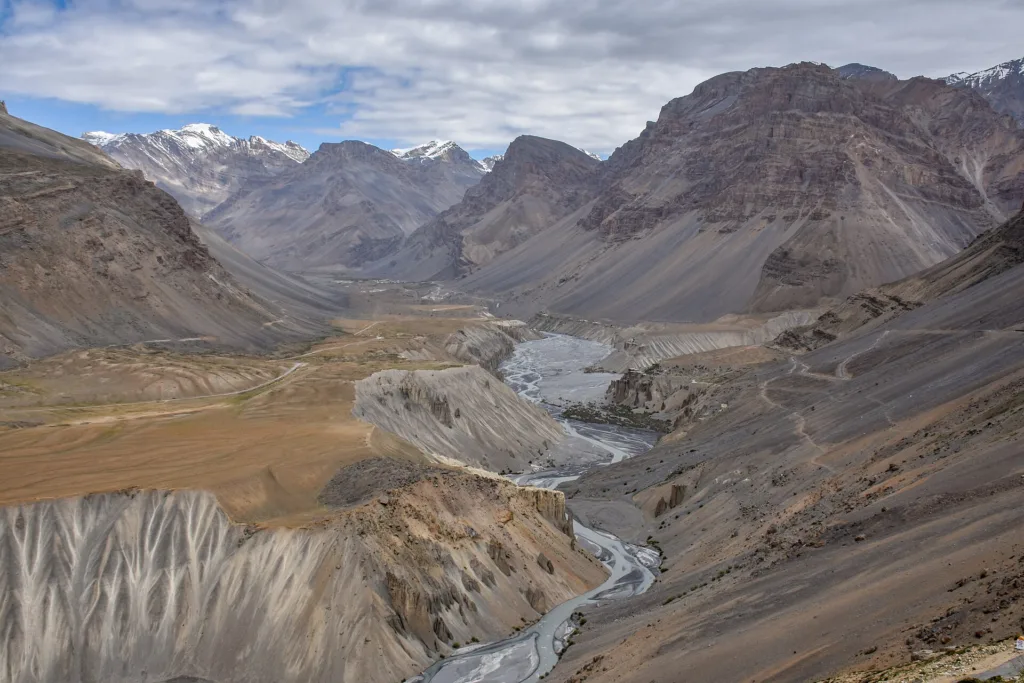
Our Winter Spiti Road Trip from Delhi follows the only dependable winter route, Shimla to Kinnaur to Kaza, over 9 days and 8 nights. You stay in warm homestays, visit centuries-old monasteries, walk through snow-bound villages and, between January and March, look for the elusive snow leopard.
Reviews
Posted on Google
Sneha Jain
Trustindex verifies that the original source of the review is Google.
Had an amazing experience travelling with Wandernest! ❤️ The entire trip was so well organised, and every moment was filled with fun, laughter, and beautiful memories. The arrangements, coordination, and overall experience were truly wonderful. It was not just a trip but an unforgettable experience with my friends. Thank you, Wandernest, for making our journey so special and memorable. Looking forward to travelling with you again! ✨❤️
Posted on Google
Kahkasha Khan
Trustindex verifies that the original source of the review is Google.
Had an amazing friends' trip with Wanderers Nest! The Mussoorie and Rishikesh tour was perfectly planned and the whole experience was the best. Highly recommended!
Posted on Google
Abhay Barman
Trustindex verifies that the original source of the review is Google.
The trip with Wanderers Nest was better than I expected.
Our guide was one of the best parts of the trip.
He had great knowledge and patiently explained everything along the way.
The stay was comfortable and the food arrangements were good.
Nothing felt confusing because everything was explained properly. Really enjoyed the whole trip with my close one, each and every moment I spent on this trip was worthy. The arrangements and the iternary was so good. I really feel amazing with wanders Nest.
Definitely worth travelling with Wanderers Nest.
Posted on Google
SUBHAM NAIK
Trustindex verifies that the original source of the review is Google.
Thank you for a wonderful trip and lovely memories! ❤️ Your efforts made it even more special. Looking forward to another trip with you! 🙌
Posted on Google
Vedant Agrawal
Trustindex verifies that the original source of the review is Google.
Amazing and wonderful experience with wandernest...really enjoy the trip and also the coordination and the moments on the trip ....never forget the moment and special thanks to hemant bhaiya for making my trip so amazing and unforgettable
Posted on Google
Aaryan
Trustindex verifies that the original source of the review is Google.
Too much fun, countless memories and amazing experience ❤️
Posted on Google
Kundan Jha
Trustindex verifies that the original source of the review is Google.
We had a good experience with Wanderers Near. We went for beas kund trek. The trek leders were really good and friendly and the food offered was very good. Also entire package delhi to delhi was provided to us at a very reasonable price.
Posted on Google
Shivansh Aggarwal
Trustindex verifies that the original source of the review is Google.
Just had a trip in Jibhi Kasol with wanderers nest, it was so much fun and entertainment with everyone
Posted on Google
Arpit Patel
Trustindex verifies that the original source of the review is Google.
Jibhi was more than just a weekend trip❤️
I went there looking for a little break and came back with memories I didn’t expect to make.
Our guide was kind, knowledgeable and made everyone feel comfortable. The stay and food were also really good.
The best part was the people — strangers on day one, laughing together like old friends by the end.
Thank you, Wanderers Nest, for making this trip so special. 🏔️
Posted on Google
M
Trustindex verifies that the original source of the review is Google.
Amazing tripppp with wanderers nest
Verified by Trustindex
Trustindex verified that these reviews were published on Wanderers Nest's Google Business Profile. Learn more
Winter Spiti Road Trip at a Glance
Route: Delhi, Shimla, Narkanda, Rampur, Nako, Tabo, Kaza and back by the same road
Duration: 9 Days / 8 Nights
Season: November to March
Vehicle: 4×4 SUV recommended
Stay: Homestays and guesthouses
Highlights: Nako Lake, Tabo Monastery, Ki Monastery, Hikkim, Pin Valley and snow leopard country
Why Choose a Winter Spiti Road Trip?
Most travellers visit Spiti in summer. That’s exactly why you shouldn’t.
90% fewer crowds — no traffic jams, no packed guesthouses, no noise
Snow leopard sightings — winter is the only season you have a real chance
Frozen rivers and lakes — the Spiti River and Nako Lake turn into ice sculptures
Authentic local life — homestays, butter tea, archery festivals, and monastery prayers in silence
Photographer’s paradise — stark white landscapes against cobalt blue skies with zero haze
Best Time for a Winter Spiti Road Trip
Month
Conditions
Best For
November
Early snowfall, roads still open
First snow experience
December
Heavy snowfall sets in
Snow landscapes, solitude
January–February
Peak winter, frozen everything
Snow leopard tracking, white Spiti
March
Gradual thaw begins
Slightly easier travel, still snowy
Daytime temperatures: -5°C to -10°C. Nighttime temperatures: -20°C to -30°C, and the higher villages can be colder still. For a full breakdown, see our Spiti Valley temperature guide.
The Only Winter Route: Shimla–Kinnaur–Spiti
This is the most important thing to know before planning.
The Manali–Spiti route is closed in winter. The road over Kunzum Pass, at about 4,550 m, is buried under snow for months. The Atal Tunnel keeps parts of Lahaul reachable, but it does not open the road to Kaza. The route that stays open is:
Distance: roughly 750 km from Delhi to Kaza. The Shimla to Kaza stretch alone is about 412 km, described by the Lahaul and Spiti district administration as nearly an all-weather road up to Kaza
Return: Same route back (no loop possible in winter)
Plan for flexibility. Heavy snowfall can block sections of the highway for a day or two, and local roads to high villages such as Langza, Komic, Hikkim, Dhankar and the Pin Valley can close after fresh snow until they are cleared. Keep one or two buffer days in your plan. Kunzum Pass and Chandratal Lake stay closed in winter and are not part of this trip.
Top Places to Visit on a Winter Spiti Road Trip
Nako Village & Nako Lake
First major halt after entering Spiti district
Nako Lake freezes completely by January — a stunning sheet of ice surrounded by snow peaks
Warm homestays, local food, and incredible silence
Khab Sangam (confluence of the Spiti and Sutlej rivers) is just before Nako — don’t miss it
Tabo Monastery — The Ajanta of the Himalayas
Nearly 1,000 years old — one of the oldest continuously functioning monasteries in the world
Famous for ancient frescoes and thangka paintings inside mud-walled prayer halls
In winter, the mud walls provide natural insulation and the silence inside is profound
Meditation caves above the monastery — icy paths, so tread carefully
Dhankar Monastery
Perched dramatically on a cliff overlooking the confluence of the Spiti and Pin rivers
Once the seat of the kings of Spiti
One of the most photogenic spots in the entire valley
Road access depends on snowfall — check conditions locally before visiting
Kaza — Base Camp of Winter Spiti
District headquarters and the main hub for winter exploration
Gateway to Ki Monastery, Kibber, Langza, Hikkim, and Komic villages
Local markets, small restaurants serving Spitian food, and an ATM that is often out of order in winter (carry cash from Shimla)
In February, locals hold an archery competition at Kaza Monastery — worth timing your trip around
Ki (Key) Monastery
1,000-year-old monastery perched on a hilltop at 4,166 m
Snow-covered backdrop in winter makes it one of the most spectacular sights in India
Watch monks perform their daily rituals in a setting of complete stillness
One of the most photographed places in all of Spiti
Hikkim — World’s Highest Post Office
Located at 4,440 m — the highest functioning post office on Earth
Send a hand-written postcard to someone back home — it will actually be delivered
Short drive from Kaza, often bundled with Komic and Langza villages when the road is clear
Gue Village — The 500-Year-Old Mummy
Home to the naturally preserved mummy of Buddhist monk Sangha Tenzin
Seated upright in a glass case — hair, skin, and teeth still intact, no chemicals used
Approx. 35 km from Tabo — a short detour off the main road
In winter the village is eerily quiet, adding to the atmosphere
Pin Valley National Park — Snow Leopard Territory
Best chance to spot a snow leopard is between January and March
Also home to Himalayan ibex, Tibetan wolf, red fox, and bharal (blue sheep)
Hire a local guide from Kaza for wildlife tracking — they know the terrain
Mudh Village inside Pin Valley is the last motorable point in winter
Winter Spiti Road Trip: Suggested 9-Day Itinerary
Day
Stretch
Highlights
Day 1
Delhi to Shimla
Overnight drive or stay
Day 2
Shimla to Nako
Khab Sangam, Kinnaur scenery
Day 3
Nako
Nako Lake, acclimatisation
Day 4
Nako to Tabo
Gue Mummy (detour), Tabo Monastery
Day 5
Tabo to Kaza
Dhankar Monastery, Spiti River views
Day 6
Kaza local
Ki Monastery, Kibber, Komic, Hikkim
Day 7
Pin Valley
Snow leopard tracking, Mudh Village
Day 8
Kaza to Nako
Return journey begins
Day 9
Nako to Delhi
Long drive back
Because winter weather is unpredictable, the order of local sightseeing can change depending on which roads are clear on the day.
Vehicle & Road Tips for a Winter Spiti Road Trip
Mandatory: 4×4 SUV (Innova Crysta, Scorpio, or similar at minimum — ideally a 4WD)
Carry snow chains — icy roads in Nako, Tabo, and beyond
Hire a local Spitian driver if self-driving feels risky
Carry extra fuel — petrol pumps are scarce beyond Reckong Peo
Start each day’s drive by 7–8 AM — daylight hours are short in winter
Watch for black ice in the mornings and after sunset
Where to Stay — Winter Accommodation
Homestays are the best and often the only option in most villages
Stay with local families — warmth (literal and cultural), home-cooked meals, and real conversation
Kaza has a few guesthouses open in winter
Book ahead — fewer places operate and beds fill up with the limited crowd that does come
Carry a quality sleeping bag — even heated rooms can drop below 5°C at night
What to Eat in Winter Spiti Road Trip
Butter tea (Po cha) — salty, warming, and you’ll either love it or hate it
Thukpa — Tibetan noodle soup, the ultimate comfort food at altitude
Tsampa — roasted barley flour mixed with butter tea; local staple
Momos — steamed or fried, available in Kaza
Siddu — Himachali stuffed bread, found in lower Kinnaur villages on the way
✅ Thermal base layers (top + bottom) — at least 2 pairs
✅ Heavy fleece or down mid-layer
✅ Windproof and waterproof outer jacket
✅ Snow boots / insulated trekking boots
✅ Balaclava, woollen hat, neck gaiter
✅ Gloves — inner liner + outer waterproof shell
✅ Woollen socks — at least 4–5 pairs
Essentials
✅ High-SPF sunscreen (sun reflects off snow intensely)
✅ UV-protection sunglasses
✅ Power bank + solar charger (power cuts are frequent)
✅ Cash — withdraw enough in Shimla or Reckong Peo; the ATM in Kaza is often out of order in winter
✅ Offline maps (Google Maps, Maps.me downloaded)
✅ First aid kit + altitude sickness medication (Diamox)
✅ Dry snacks, energy bars, instant coffee
✅ Insulated water bottle, since plain bottles can freeze
Important Things to Know Before Your Winter Spiti Road Trip
Pipes freeze in winter — expect no running water in many homestays
Electricity is irregular — carry a torch and power bank always
Mobile network: BSNL and Jio work in Kaza; expect a complete digital detox elsewhere
Altitude: Kaza sits at about 3,800 m — acclimatise properly at Nako before pushing higher
Permits: Rules for the border belt can change, so carry valid government ID for every traveller. Foreign nationals should check permit requirements with the Kinnaur or Lahaul and Spiti district administration before travelling
Medical facilities: Limited in remote areas — carry a comprehensive first aid kit
Alcohol: Not advisable at altitude in extreme cold — it worsens dehydration
Winter Spiti Road Trip FAQs
Is Spiti Valley open in winter?
Yes, but only through the Shimla–Kinnaur–Kaza route, and only when the road is passable. The Manali–Kaza road over Kunzum Pass stays closed in winter. Read more in our guide on whether Spiti Valley is open in winter.
Can I go from Manali to Spiti in winter?
No. Even though the Atal Tunnel keeps Lahaul reachable, Kunzum Pass is snow-bound, so the Manali to Kaza road does not open until late spring. Winter travellers enter and exit through Shimla.
How cold does Spiti get in winter?
Daytime temperatures are around -5°C to -10°C, and nights can fall to -20°C or lower, with higher villages colder still.
When can I see a snow leopard in Spiti?
The best chance is between January and March, in areas such as Kibber and the surrounding plateaus. Sightings are never guaranteed.
Is Chandratal Lake open in winter?
No. The road to Chandratal follows the summer season, so the lake is not accessible on a winter trip.
Do I need a 4×4 for the Winter Spiti Road Trip?
Yes. Icy, narrow and snow-covered roads make a 4×4 SUV and an experienced driver strongly recommended.
Book Your Winter Spiti Road Trip
Ready to see Spiti under snow? Book your Winter Spiti Road Trip with Wanderers’ Nest and travel with a team that plans around the weather. Planning to come in summer instead? See our Spiti Valley trip from Delhi. For more winter ideas, read our guide to the best winter road trips in India, or explore the winter Spiti itinerary by our sister brand, WDRLUST.
Quick facts
Duration: 9 days / 8 nights
Destination: Himachal Pradesh
Difficulty: Difficult
Max altitude: 16500ft
Distance: 500Km+
Price: ₹15,999 per person
Group size: max 12 travellers
Book your Winter Spiti Road Trip
Seats are limited on each departure. Book online to reserve yours, or send us an enquiry and we will come back to you with the details. If you are still deciding, browse all our treks or read how we plan trips.
Day by day
Itinerary — 9 days
Day 1
Delhi to Shimla (overnight journey)
Evening: Meet your trip captain at the Delhi boarding point (R K Ashram or Majnu ka Tila). Exact pickup time is confirmed on WhatsApp before departure.
Night: Board the AC Volvo for the overnight drive to Shimla, about 350 km and 9 to 10 hours. Keep a warm layer within reach, because the bus gets cold as it climbs.
Overnight: In transit.
Day 2
Shimla to Sangla (about 230 km, 9 to 10 hours)
Morning: Arrive in Shimla, freshen up and meet the rest of the group. Transfer into the Tempo Traveller that stays with you for the whole expedition. Breakfast stop on the way, at your own cost.
En route: The road climbs past Kufri and Narkanda, then drops to Rampur and follows the Sutlej river upstream. At Karcham the route turns off into the Baspa valley.
Evening: Reach Sangla (about 2,680 m), a village on the banks of the Baspa river, and check in. A short walk around the village, then dinner and a warm night. This is the first step of acclimatisation, so go easy.
Overnight: Sangla. Dinner included.
Day 3
Sangla to Chitkul, Nako and Tabo (long drive day)
Morning: Early breakfast and a quick drive up to Chitkul (about 3,450 m), the last inhabited village before the Indo-China border. Walk through the wooden houses and along the river, then head back down.
Midday: Return to Karcham and continue on the Hindustan-Tibet road through Reckong Peo. Cross the Khab bridge, where the Spiti and Sutlej rivers meet, and watch the green Kinnaur valley give way to the bare trans-Himalayan landscape of Spiti.
Afternoon: Stop at Nako (about 3,660 m) for the lake, which is usually frozen over in winter, and a hot tea or lunch break. If light and road conditions allow, take the short detour to Gue village to see the naturally preserved mummy of a monk, about 500 years old.
Evening: Reach Tabo (about 3,050 m) and check in. About 230 km in total, 9 to 10 hours with stops, so we start early to finish before dark.
Overnight: Tabo. Dinner included.
Day 4
Tabo to Dhankar and Kaza
Morning: After breakfast, visit Tabo Monastery, nearly 1,000 years old and known for its ancient frescoes inside mud-walled prayer halls.
Late morning: Drive on to Dhankar Monastery, built on a cliff above the meeting point of the Spiti and Pin rivers. If the path is clear, take the short hike to Dhankar Lake.
Afternoon: If the road into Pin Valley is open, drive up towards Mudh village, the last motorable point in winter, in the territory of the Pin Valley National Park. Pin Valley depends on snowfall and the trip captain makes the call on the day. If it is shut, continue straight to Kaza and use the time to rest.
Evening: Reach Kaza (about 3,800 m), the main town of Spiti, and check in. Drink plenty of water and avoid alcohol tonight.
Overnight: Kaza. Dinner included.
Day 5
Kaza, Langza, Komic and Hikkim
Morning: Breakfast, then a short walk through the streets of Kaza before setting out for the high villages.
Late morning: Langza (about 4,400 m) has a giant Buddha statue facing the Chau Chau Kang Nilda peak, and fossil hunting in the surrounding fields. Next is Komic (about 4,587 m), among the highest villages in the world connected by a motorable road.
Afternoon: Lunch in Komic, then on to Hikkim, home of the highest post office in the world. Write a postcard to someone at home and post it from there.
Evening: Back to Kaza for dinner and rest. Roads to these villages can close after fresh snow, so the order or the villages covered may change on the day.
Overnight: Kaza. Breakfast and dinner included.
Day 6
Kaza, Key Monastery, Kibber and Chicham
Morning: Drive to Key Monastery (about 4,166 m), the largest in Spiti, founded in the 11th century. It sits on a hilltop against the snow and is one of the most photographed places in the valley.
Late morning: Continue to Kibber, one of the villages best known for snow leopard activity between January and March. Keep your eyes on the slopes. Sightings are never guaranteed, but tracks in the snow are common.
Afternoon: Visit the Chicham bridge, among the highest bridges in Asia, spanning a deep gorge, then return to Kaza with free time for the market and local cafes.
Overnight: Kaza. Breakfast and dinner included.
Day 7
Kaza to Kalpa (about 200 km, 8 to 9 hours)
Morning: Early breakfast and a start by around 7 to 8 am, because daylight is short in winter. The road retraces the Spiti valley and then the Kinnaur valley.
En route: Stop at Nako for a last look at the frozen lake, then drop down alongside the Sutlej river through Reckong Peo.
Evening: Reach Kalpa (about 2,960 m), check in and walk through the village. The Kinner Kailash range is straight across the valley and catches the last light.
Overnight: Kalpa. Breakfast and dinner included.
Day 8
Kalpa to Shimla, overnight to Delhi
Morning: Catch sunrise on Kinner Kailash from Kalpa, then breakfast and checkout.
Afternoon: Drive back along the Sutlej through Rampur, with a lunch break at your own cost. About 245 km, roughly 8 hours of driving. We aim to reach Shimla by around 4 to 5 pm, with a little free time for the Mall Road if the schedule allows.
Evening: Board the AC Volvo for the overnight journey to Delhi.
Overnight: In transit. Breakfast included.
Day 9
Arrival in Delhi
Morning: Reach Delhi at around 7 to 8 am. The group says goodbye and the trip ends here.
Fixed departures
Departure dates — pick a date
SuMoTuWeThFrSa
AvailableSelectedSold out
The package
What’s included — and what isn’t
13 things includedCovered in the Winter Spiti Road Trip price
5 things not includedBudget for these separately
Included
Volvo transfers from Delhi to Shimla and back.
Entire expedition from Shimla via Tempo Traveller.
Accommodation for 6 nights:
1 Night at Sangla
1 Night at Nako/Tabo
1 Night at Kalpa
3 Nights at Kaza
Washrooms will be on a sharing basis.
Meals (12 meals including breakfasts and dinners).
Team Leader throughout the trip.
Availability of oxygen 24×7 in case of any emergency.
All applicable toll, parking and driver charges.
All Inner Line Permits.
Not included
An additional 5% GST is applicable.
Any sort of private expenses.
Extra food from mentioned above.
Unpredicted handling expenses as a result of weather disruption, landslides, and political upheaval.
Anything that is not mentioned in inclusions.
Good to know: the price is per person on a sharing basis. Single occupancy and private groups can be arranged — ask us before booking. GST is charged at 5% and shown at checkout.
Photo gallery
On the trail — 5 photos
1 / 5
Preparation
What to carry
Documents
Government photo ID (Aadhaar or passport)
2 passport photos
Printed booking confirmation
Clothing
Warm layers and a windproof jacket
Walking shoes with grip
Woollen cap and gloves
Rain cover or poncho
Personal
Sunscreen and sunglasses
Reusable water bottle
Personal medicines
Power bank and torch
Questions
Frequently asked questions
What is the Winter Spiti Road Trip and who is it for?
Snow-bound monasteries, −30°C nights, frozen rivers, snow leopard tracking in Kibber Wildlife Sanctuary. It is rated Difficult. You need solid fitness, prior multi-day trekking experience and comfort at altitude — this is not a first trek.
How many days is the Winter Spiti Road Trip and how is the time split?
It runs 9 days and 8 nights. Day 1 is Delhi to Shimla, and the final day is Arrival in Delhi. The full day-by-day plan with distances and night halts is in the itinerary section above.
What does the Winter Spiti Road Trip cost and what is included?
The package is ₹15,999 per person. That covers Volvo transfers from Delhi to Shimla and back. Entire expedition from Shimla via Tempo Traveller. Accommodation for 6 nights: 1 Night at Sangla 1 Night at Nako/Tabo 1 Night at Kalpa 3 Nights at Kaza Washrooms will be on a sharing basis. Meals (12 meals including breakfasts and dinners). Team Leader throughout the trip. Availability of oxygen 24×7 in case of any emergency. All applicable toll, parking and driver charges. All Inner Line Permits. Anything not on that list is extra.
What is not included in the Winter Spiti Road Trip package?
Not included: An additional 5% GST is applicable. Any sort of private expenses. Extra food from mentioned above. Unpredicted handling expenses as a result of weather disruption, landslides, and political upheaval. Anything that is not mentioned in inclusions. Budget separately for these.
What is the best time of year for the Winter Spiti Road Trip?
The months that come up for this route are January, February, March, November and December. Outside those windows expect snow, rain or closed access depending on the season.
How do I reach the starting point of the Winter Spiti Road Trip?
Day 1 of the plan is Delhi to Shimla. Transport to the trailhead or base town is arranged as described in the itinerary, and exact pickup points and timings are shared after booking.
How big are the groups on the Winter Spiti Road Trip?
Departures are capped at 12 travellers, with a trip captain and local support staff. Smaller groups move faster and get more attention on the trail.
How fit do I need to be for the Winter Spiti Road Trip?
Start training 8–10 weeks out: long walks with a loaded pack, stairs and some cardio. Because this is a Difficult grade, altitude and long days are the real challenge, not technical climbing.
What is the cancellation policy for the Winter Spiti Road Trip?
Cancellation and refund terms are set out on our cancellation and refund page and are confirmed at the time of booking. Tell us as early as you can if your plans change so we can try to move your dates instead.
What should I pack for the Winter Spiti Road Trip?
Bring layered warm clothing, a windproof outer shell, broken-in walking shoes, a torch, a reusable water bottle, sunscreen, a government photo ID and any personal medication. Technical gear and camping equipment are provided as listed in the inclusions.